Nvidia CEO Jensen Huang Lauds DeepSeek's Revolutionary Role in Open-Source AI Growth
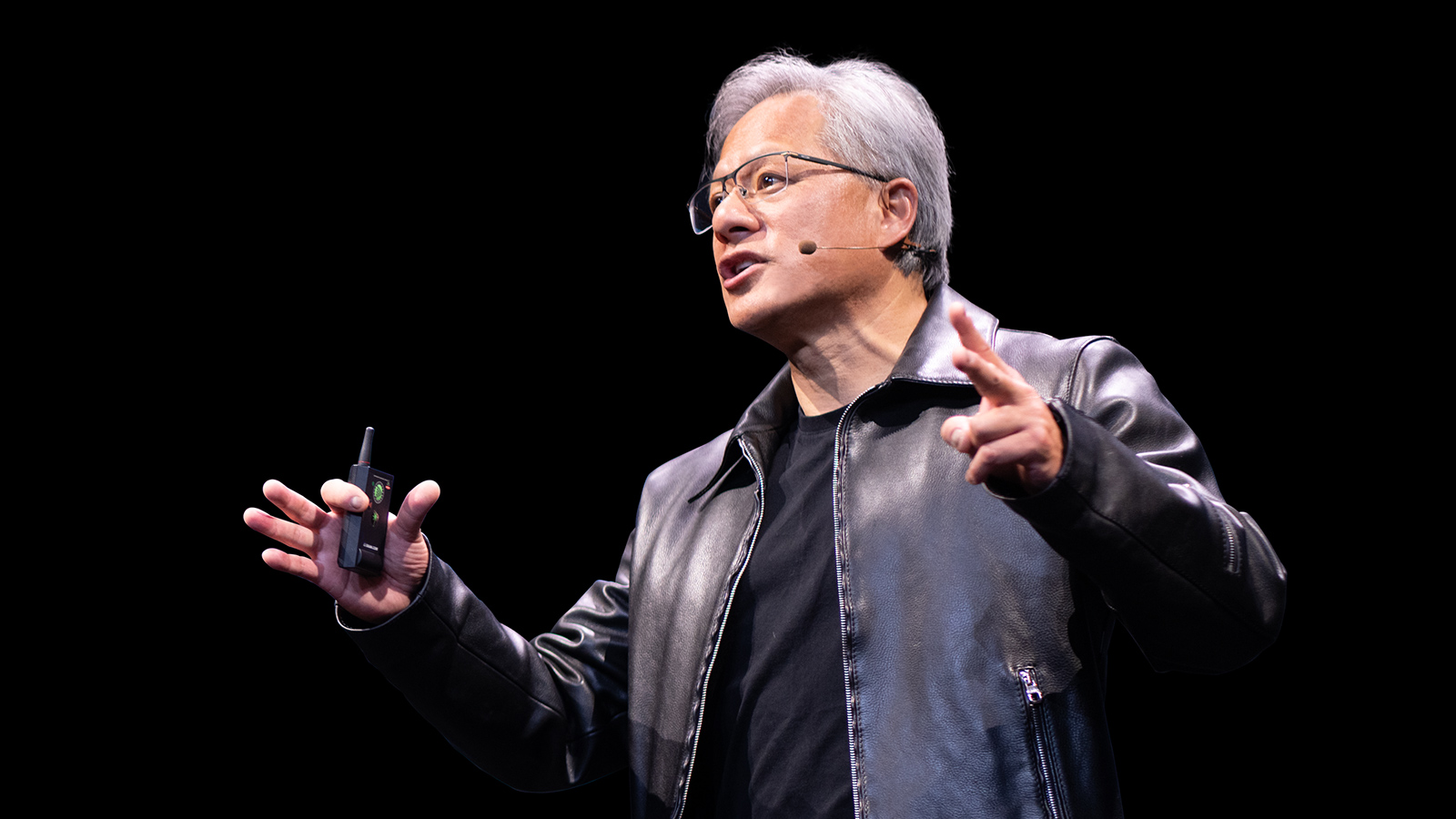
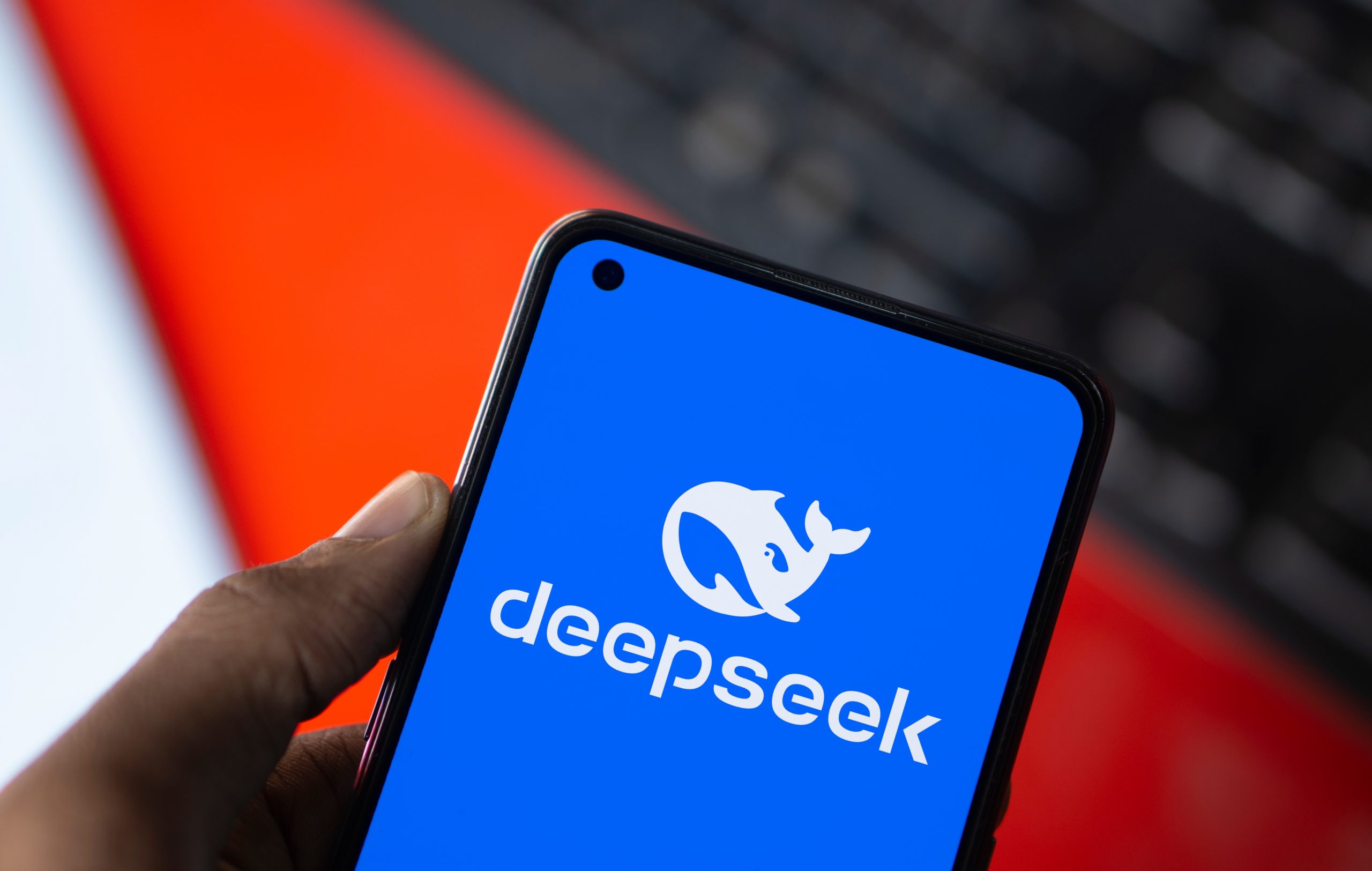
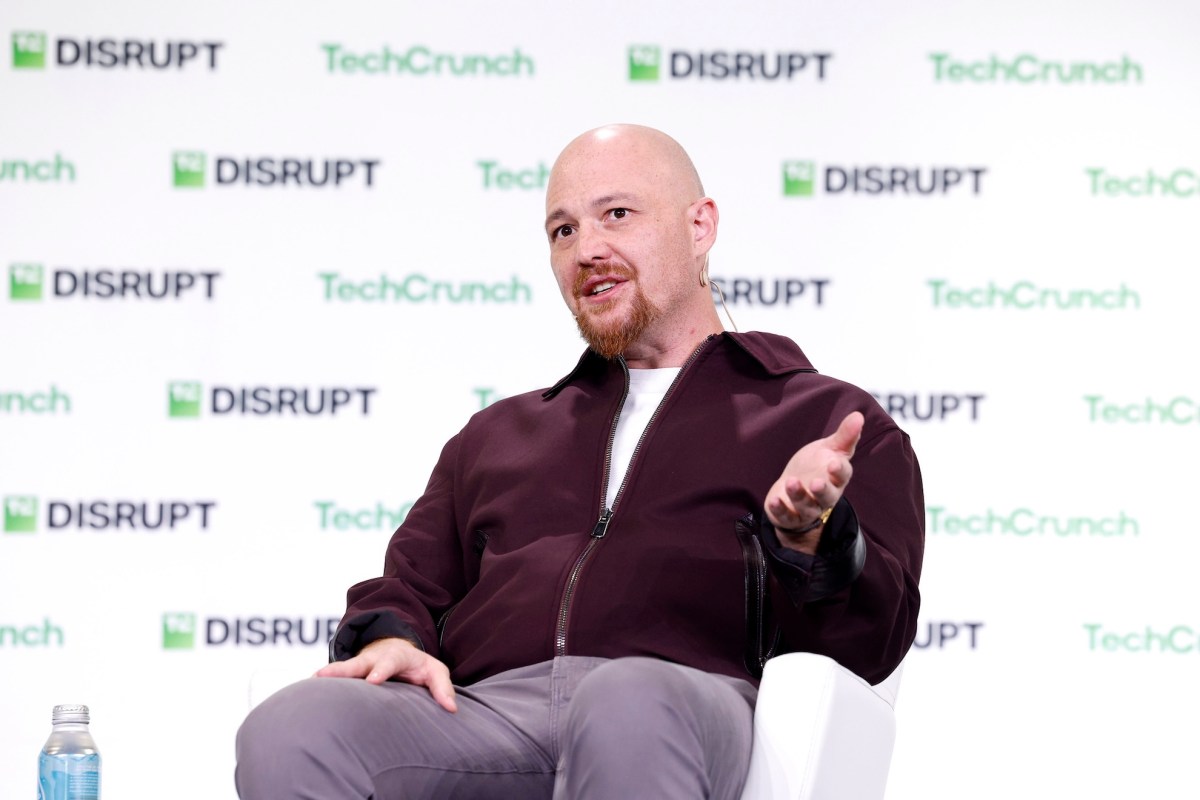
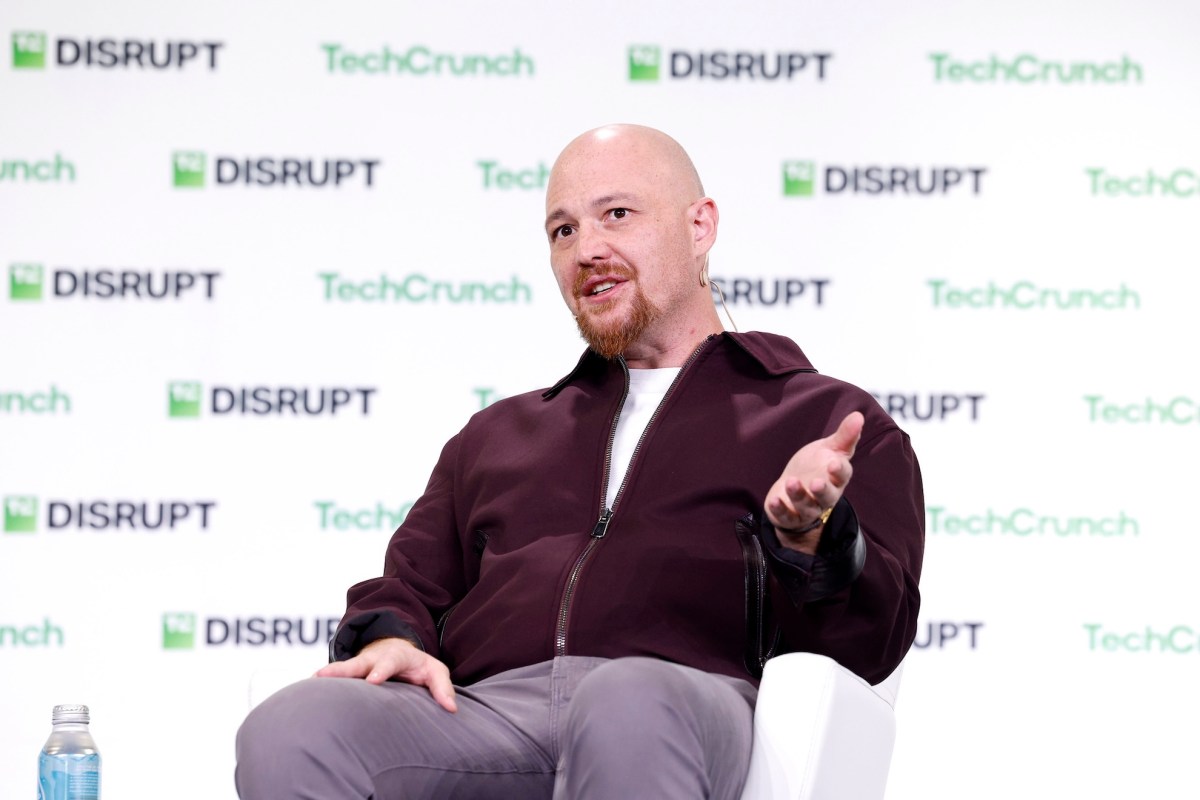
Nvidia CEO Jensen Huang recently made waves at CES 2026 by praising the Chinese AI startup DeepSeek for its transformative impact on the open-source AI landscape.
During his keynote in Las Vegas, Huang highlighted how DeepSeek’s innovative models have accelerated the adoption of open-source AI technologies, reshaping the global tech industry.
DeepSeek’s Emergence as a Game-Changer in AI
DeepSeek, launched by a Chinese startup, introduced a low-cost, high-performance AI model in late 2024, challenging established players like OpenAI with its accessible and efficient solutions.
This breakthrough led to a significant market reaction, with Nvidia itself experiencing a record market-cap loss in early 2025 due to investor concerns over cheaper alternatives.
A Historical Shift in AI Development
Historically, AI development has been dominated by a few tech giants in the West, with high costs and proprietary systems limiting access for smaller players.
DeepSeek’s approach, however, democratized access by releasing a free, open-source large language model, developed in just two months for under $6 million, a fraction of typical industry costs.
Global Impact and Market Dynamics
The rise of DeepSeek has sparked both admiration and concern, as it narrowed the AI development gap between China and the US to mere months, according to industry experts.
While Huang commended the startup for turbocharging open-source AI, Nvidia faced scrutiny over reports of DeepSeek allegedly using banned Blackwell chips, highlighting geopolitical tensions in the AI race.
Looking Ahead: The Future of Open-Source AI
Looking to the future, DeepSeek’s contributions could inspire a wave of innovation, encouraging more companies to adopt open-source frameworks and reduce reliance on expensive hardware.
Huang’s endorsement at CES, alongside the unveiling of Nvidia’s next-gen Rubin hardware, signals a potential collaboration or coexistence between proprietary giants and open-source pioneers.
Yet, challenges remain, as US officials and lawmakers continue to weigh restrictions on Chinese AI progress, which could impact DeepSeek’s global influence.
Ultimately, as reported by sources like the South China Morning Post, Huang’s praise underscores a pivotal moment for open-source AI, with DeepSeek at the forefront of this evolving narrative.