Nicolas Sauvage Bets on AI's Unsung Heroes: Inference Chips and Task-Specific Robots

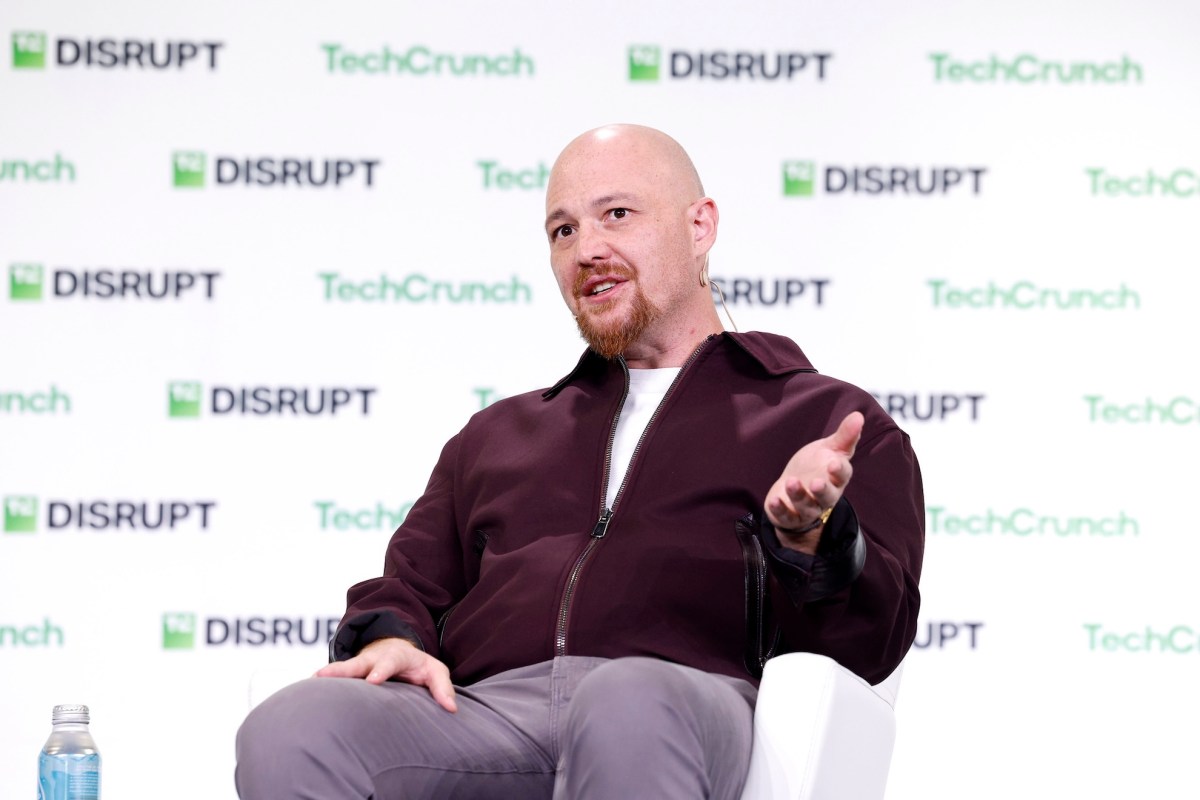
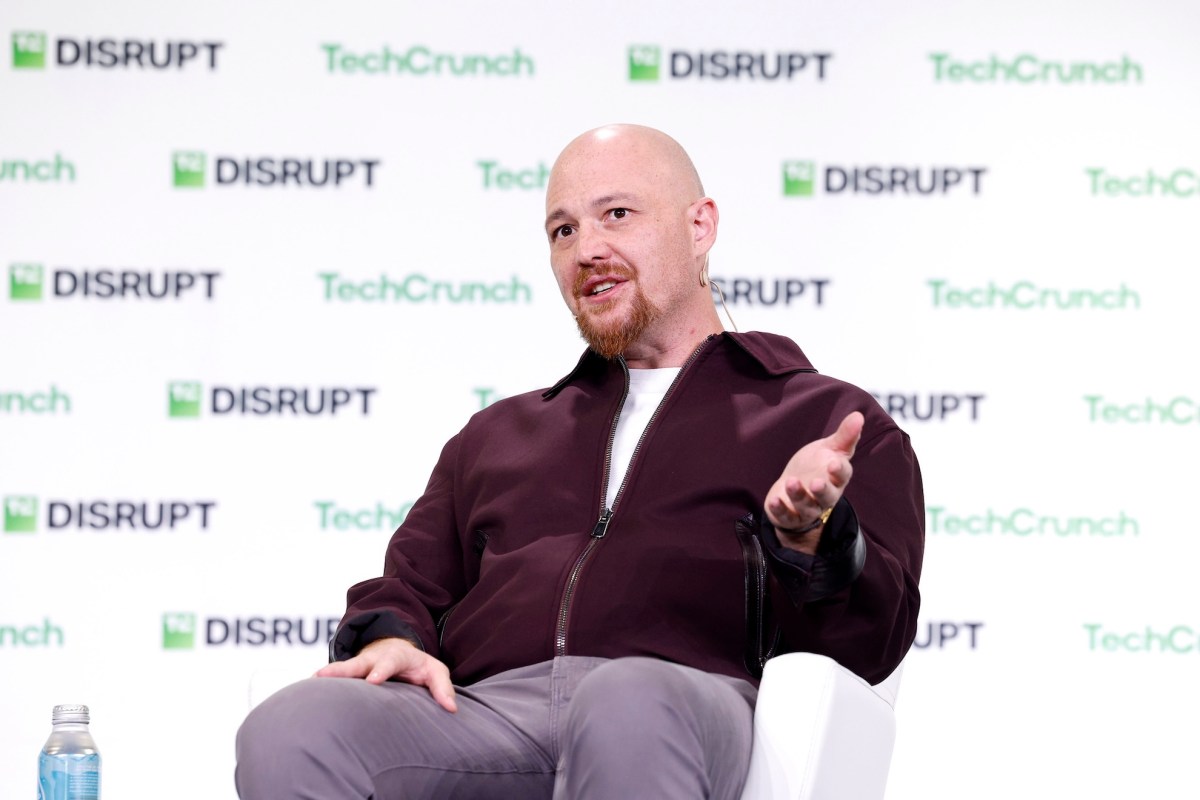
French investor Nicolas Sauvage leads TDK Ventures, betting on the unglamorous infrastructure powering AI's future.
Founded in 2019 as the venture arm of Japanese electronics giant TDK, the firm manages $500 million across four funds, targeting bottlenecks like compute and manufacturing years ahead.
Why AI Infrastructure Is the Real Game-Changer
While flashy AI models grab headlines, Sauvage focuses on inference—the heavy computation needed to generate responses from trained models.
His early 2020 investment in Groq, an inference chip startup, paid off handsomely as the company hit a $6.9 billion valuation in 2025.
Groq's founder, ex-Google engineer Jonathan Ross, designed chips optimized for speed and scale, contrasting with GPUs dominant in model training.
Physical AI: Robots That Do One Job Perfectly
Sauvage backs narrow robotics, like Agility Robotics for warehouse tasks and ANYbotics for hazardous inspections, avoiding general-purpose dreams.
These machines excel by mastering single, reliable functions amid labor shortages.
Geopolitical Shifts and Supply Chain Bets
Beyond chips, TDK Ventures invests in sodium-ion batteries and solid-state transformers to sidestep lithium and cobalt dependencies tied to volatile regions.
Sauvage eyes China's rapid "vibe manufacturing," using AI to accelerate hardware prototyping, urging the West to catch up.
This non-obvious angle highlights how corporate VCs like TDK leverage manufacturing expertise to turn infrastructure bets into scalable realities, unlike pure-play Silicon Valley funds.
For everyday people, cheaper inference means more affordable AI agents handling complex tasks, from personalized shopping to automated customer service.
Task-specific robots could lower warehouse costs, stabilizing prices for goods amid e-commerce booms.
Looking ahead, Sauvage predicts a CPU revival for orchestrating AI decisions, fueling an explosion in practical agents by 2030.
His four-year horizon thesis proves prescient, reminding investors that today's boring bets become tomorrow's booms.