Neptune Robotics Invests $12M in Singapore Factory to Scale AI-Driven Autonomous Ship Hull Cleaning
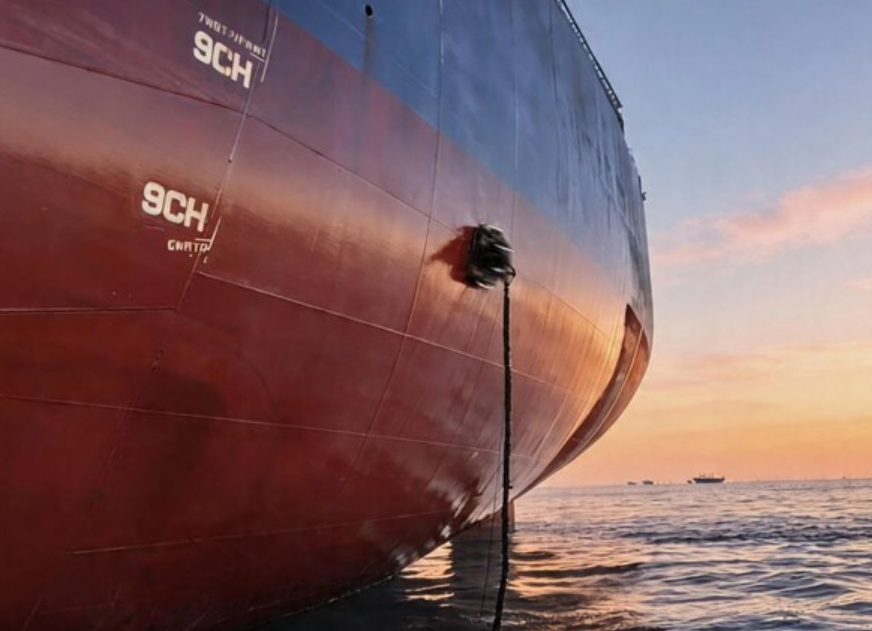
Neptune Robotics, a Singapore-based pioneer in AI-powered robotic hull cleaning, has announced a $12 million investment in a new manufacturing and R&D factory in Singapore.
This strategic expansion aims to accelerate production and innovation in autonomous ship hull cleaning services, targeting the persistent issue of biofouling in the maritime sector.
Combating Biofouling for Sustainable Shipping
Biofouling on ship hulls can increase greenhouse gas emissions by 25-30% and drive up fuel costs amid volatile energy prices and stricter regulations.
Neptune Robotics' AI-enabled robots utilize proprietary computer vision and machine learning to perform cleanings in harsh conditions like extreme weather and low-visibility waters.
By automating the process, the technology eliminates the need for human divers, enhancing safety and operational efficiency across global shipping routes.
Company History and Recent Milestones
Founded in Singapore, Neptune Robotics entered the market in 2024 and quickly expanded to service 70% of Asia's primary shipping lanes and 61 strategic ports in Singapore and China.
The company now covers more than half of the world's international merchant stops, solidifying its leadership in robotic hull maintenance.
In September 2025, it secured a $52 million Series B funding round led by Granite Asia, fueling this latest infrastructure push.
Vision for Future Growth and Impact
With the new facility, Neptune Robotics plans to boost local autonomous cleaning capacity by 400% by the end of 2026.
By 2027, the company aims to handle up to 60 hull cleanings per day, meeting surging demand from shipowners focused on sustainability.
“Our investment in Singapore is a strategic milestone that will enhance our service provision to clients and position us to meet their current and future needs,” said Elizabeth Chan, Co-Founder and CEO of Neptune Robotics.
This move not only underscores Singapore's rising role as a maritime technology hub but also promises broader reductions in maritime carbon emissions and operational costs industry-wide.