
Apna Mart Axes 10% Jobs in AI Push and Gurugram HQ Shift: Quick Commerce Shake-Up
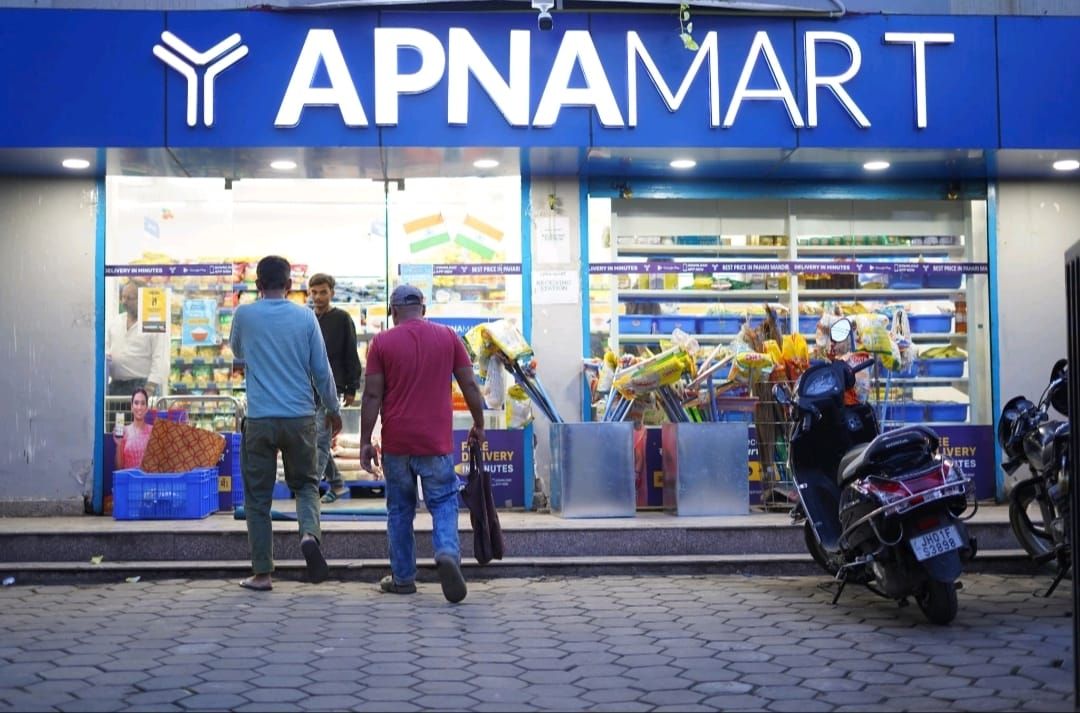
Indian quick commerce startup Apna Mart has laid off about 10% of its workforce, affecting 35 to 40 employees across various roles.
The affected staff received severance packages equal to two months' salary as the company undergoes restructuring.
Drivers Behind the Layoffs
The job cuts stem from increased AI adoption, which has automated tasks previously handled by humans, and a headquarters relocation from Bengaluru to Gurugram.
This move aims to position product and tech teams closer to core markets in eastern India, including Jharkhand, Chhattisgarh, and West Bengal, where operational teams remain.
A company spokesperson explained that some roles are no longer needed due to AI efficiencies, while others were impacted by the inability to relocate.
A Franchise Powerhouse in Tier-2 Cities
Founded in 2022 by Abhishek Singh and Chetan Garg, Apna Mart operates a unique franchise-driven omnichannel model delivering groceries in 10 minutes across 185-195 stores in 10 cities.
Backed by investors like Accel and Peak XV, it recently raised $25 million and claims 2.5x revenue growth to Rs 500 crore in FY26, up from Rs 190 crore in FY25 despite prior losses.
Broader Quick Commerce Trends
In India's hyper-competitive quick commerce sector, rivals like Blinkit, Zepto, and Instamart are expanding dark stores rapidly, pressuring smaller players to optimize costs.
Apna Mart's focus on underserved Tier-II and III cities via franchises offers resilience against urban saturation faced by big players.
What It Means for Workers and the Future
These layoffs highlight growing AI anxiety in tech and logistics jobs, even in booming sectors, urging reskilling amid automation.
Yet, the shift could boost Apna Mart's path to profitability by streamlining operations and tapping Gurugram's talent pool for innovation.
For everyday Indians in smaller towns, faster, cheaper grocery access might improve, but at the cost of local job stability in a franchise ecosystem.