World Cup Hero Mario Götze Scores Big as an Angel Investor in Tech Startups

Mario Götze, the German soccer star who clinched the winning goal for Germany in the 2014 FIFA World Cup final, has carved out an impressive second career as an angel investor.
While his on-field heroics against Argentina cemented his legacy in soccer history, Götze has quietly been building a portfolio in the tech and startup world, showcasing a knack for business that rivals his athletic prowess.
From Soccer Fields to Startup Investments
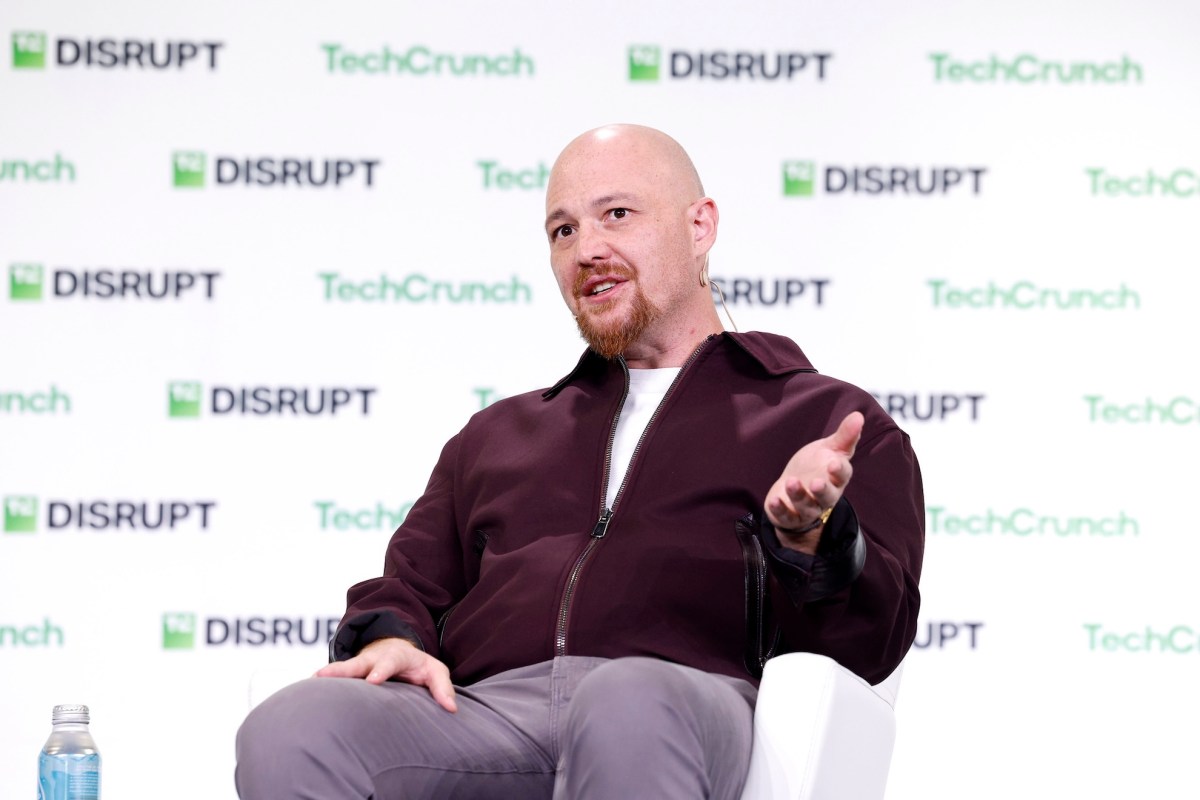
According to a recent feature by TechCrunch, Götze has become an increasingly seasoned investor, focusing on innovative ventures that align with his vision for the future.
His journey into angel investing began as a way to diversify his interests beyond sports, drawing inspiration from other athlete-investors like Joe Montana and Kevin Durant.
A History of Resilience and Reinvention
Götze’s career on the pitch has not been without challenges, including battling a debilitating muscle disorder and navigating public scrutiny, yet his determination has translated into his off-field endeavors.
This resilience has allowed him to approach investments with a calculated risk-taking mindset, a trait that made him a World Cup champion and now a promising investor.
Impact on the Startup Ecosystem
By backing early-stage companies, Götze is contributing to the growth of the tech ecosystem, providing not just capital but also the visibility and credibility that come with his global fame.
His involvement signals a growing trend of athletes leveraging their platforms to influence industries beyond sports, potentially inspiring a new generation of athlete-entrepreneurs.
Looking to the Future
As Götze continues to balance his soccer career with Eintracht Frankfurt and his investment pursuits, questions remain about how he will scale his portfolio in the coming years.
With his contract discussions ongoing, as reported by various sources, his dual focus on sports and business could redefine what it means to be a modern athlete.
Ultimately, Mario Götze’s story is one of transformation and innovation, proving that the skills honed on the field—strategy, timing, and vision—can translate into success in the startup world.