Mill Strikes Groundbreaking Deal with Amazon and Whole Foods to Combat Food Waste Nationwide

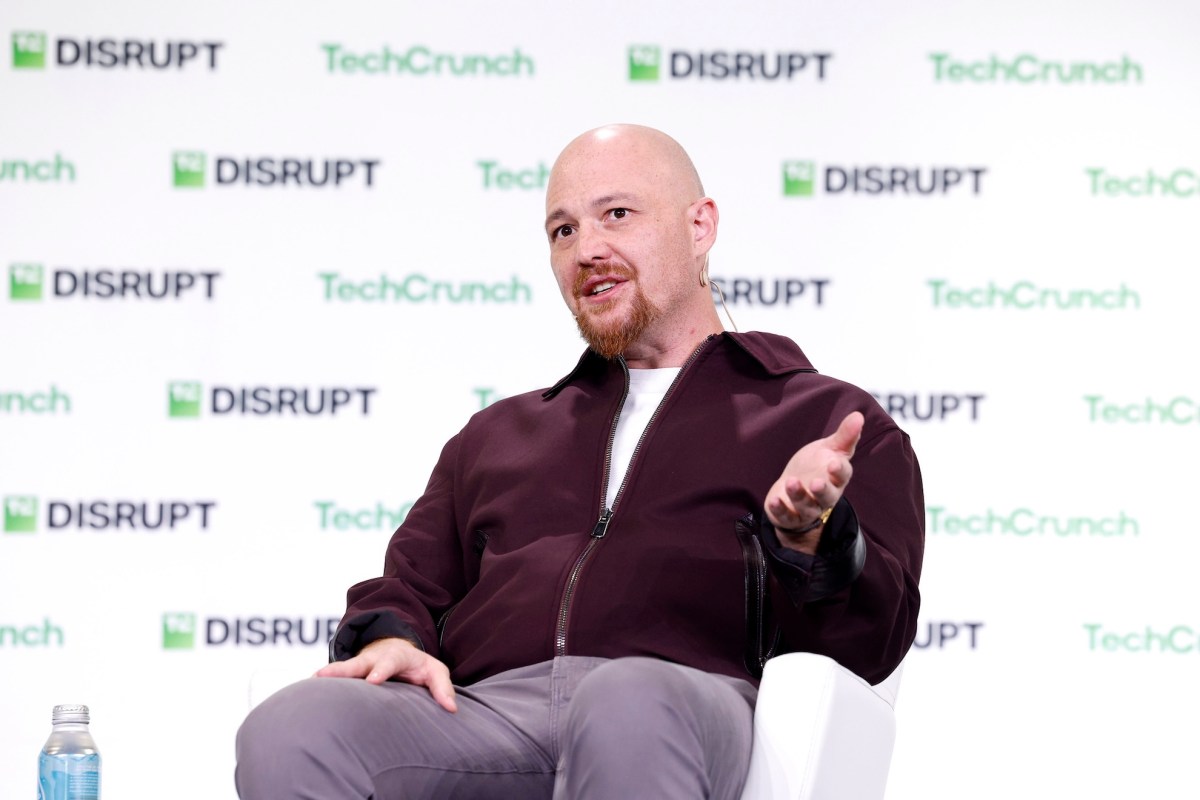
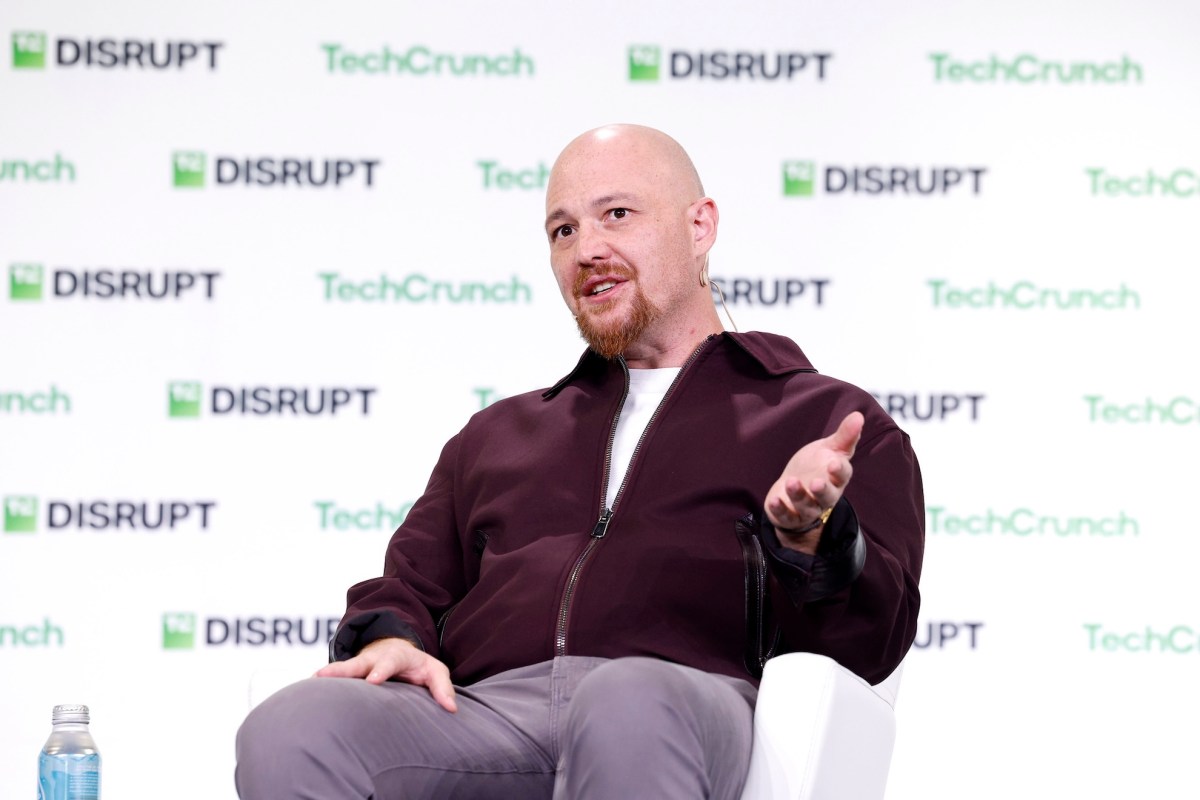
In a landmark move for sustainability, Mill Industries, a food waste startup founded by Nest alumnus Matt Rogers, has secured a transformative partnership with Amazon and Whole Foods Market to deploy innovative food waste bins across U.S. grocery stores.
This collaboration, detailed in a recent TechCrunch report, marks a significant step toward reducing in-store food waste through cutting-edge technology.
The Genesis of Mill's Mission to End Food Waste
Mill, launched with a vision to tackle one of the largest overlooked sectors of the economy, as Rogers noted, has developed smart food waste bins that convert produce scraps into nutrient-rich chicken feed.
Historically, food waste has been a persistent challenge for retailers, contributing to both environmental degradation and operational inefficiencies.
The partnership with Whole Foods, an Amazon-owned specialty grocer, positions Mill as a pioneer in on-site food recycling, with deployment set to begin in 2027.
How the Deal Came to Fruition
Rogers shared insights on preparing a startup for success, emphasizing strategic alignment with partners like Amazon, which also invested in Mill through its Climate Pledge Fund.
This financial backing underscores Amazon’s commitment to sustainability, aligning with its broader environmental goals.
Impact on Retail and Sustainability
The initiative is expected to significantly reduce Whole Foods’ operational costs while helping the retailer meet its goal of halving food waste by 2030.
Beyond cost savings, the technology promises a ripple effect, potentially inspiring other grocers to adopt similar solutions.
Environmentally, converting scraps into chicken feed for Whole Foods’ private-label egg suppliers creates a circular economy model that could reshape food retail practices.
Looking to the Future of Food Waste Innovation
As Mill’s technology rolls out, industry watchers anticipate broader adoption across Amazon’s network and beyond, potentially setting a new standard for retail sustainability.
This partnership not only highlights Mill’s innovative approach but also signals a future where food waste could become a resource rather than a burden.