Google Exec Warns: LLM Wrappers and AI Aggregators Face Extinction in Maturing AI Startup Landscape

A top Google executive has issued a stark warning to AI founders, predicting that two common startup models—LLM wrappers and AI aggregators—are unlikely to survive the post-hype phase of the generative AI boom.
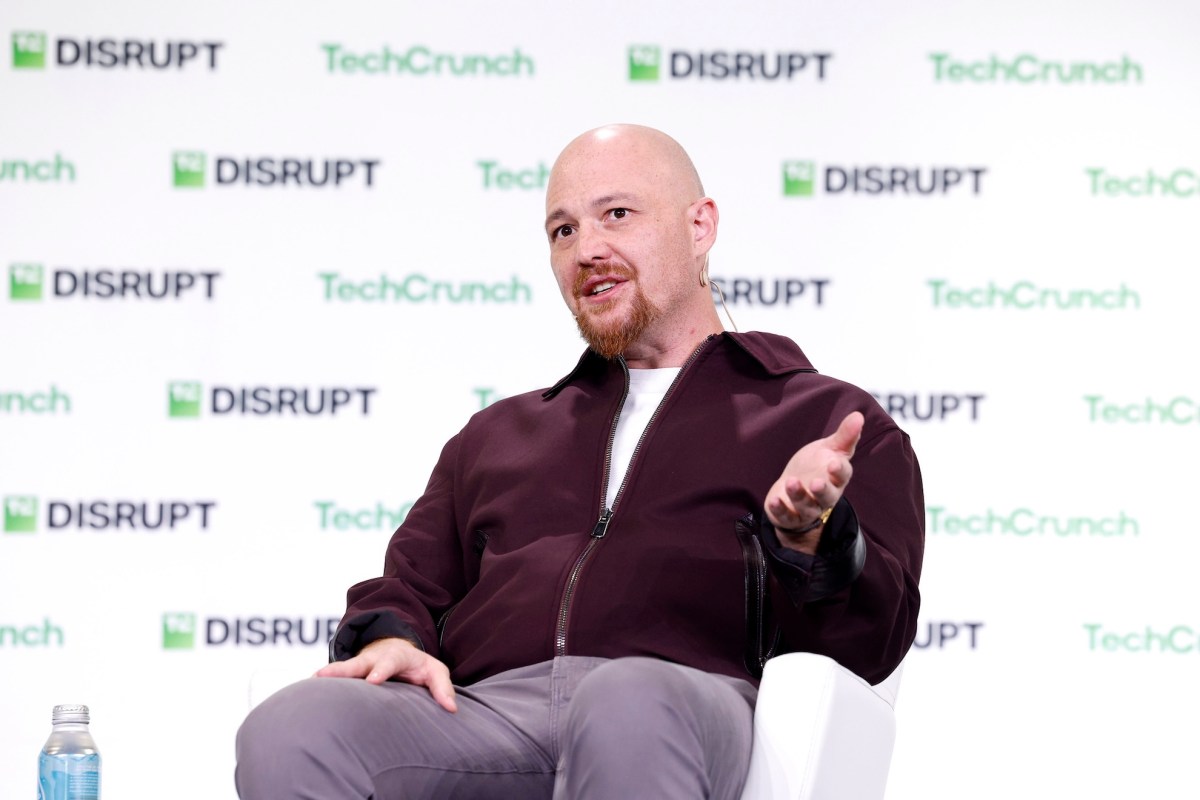
Darren Mowry, who leads Google's global startup organization across Cloud, DeepMind, and Alphabet, shared these insights at a recent industry event amid a maturing market that once saw a new AI startup launch every minute.
Why LLM Wrappers Are at Risk
LLM wrappers build thin product layers around existing large language models like Gemini, Claude, or GPT to solve niche problems, such as AI study aids for students.
Mowry cautioned, “If you’re really just counting on the back end model to do all the work and you’re almost white-labeling that model, the industry doesn’t have a lot of patience for that anymore.”
Success demands "deep, wide moats" through horizontal differentiation or vertical specificity, as exemplified by Cursor's advanced coding assistance and Harvey AI's legal tools.
The Pitfalls of AI Aggregators
AI aggregators combine multiple LLMs into a single interface or API, like Perplexity for search or OpenRouter for developers.
Mowry advised newcomers to "stay out of the aggregator business," stressing that true value lies in proprietary intellectual property for intelligent model routing, not mere access.
The historical parallel to early cloud resellers of AWS underscores this: most middlemen vanished as providers like Amazon built enterprise tools, squeezing out undifferentiated players.
Looking ahead, the AI industry's shift toward sustainable moats will force startups to innovate deeply or risk obsolescence, reshaping venture funding priorities.
Yet Mowry remains bullish on sectors like developer platforms—with Replit, Lovable, and Cursor securing massive 2025 investments—and emerging fields such as biotech and climate tech.
Direct-to-consumer AI tools, powered by advancements like Google's Veo video generator, promise to democratize creation for creators in film and beyond.