General Catalyst Joins $200M Funding Round for German AI Firm Parloa, Boosting Customer Service Innovation
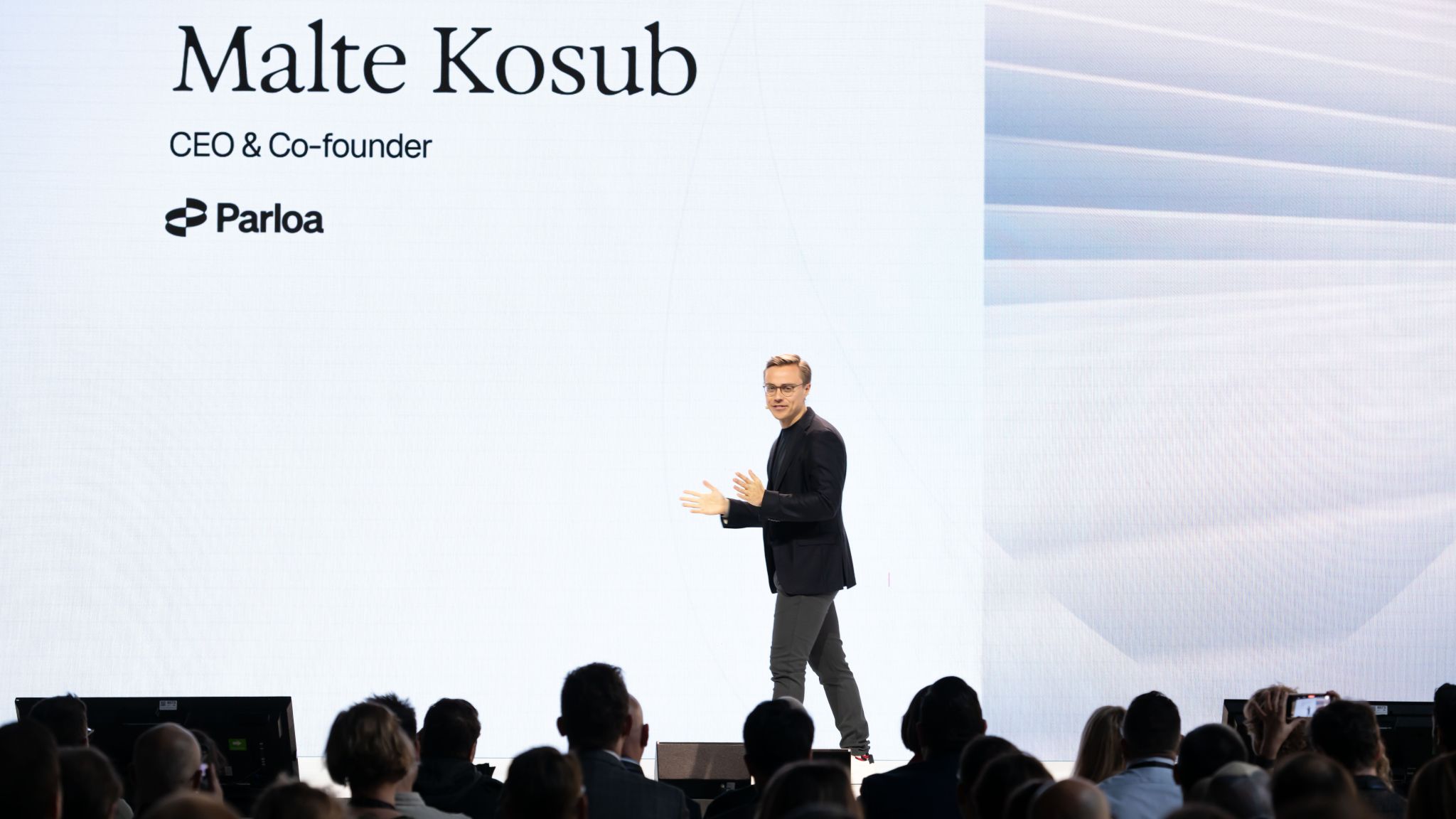
General Catalyst, a prominent venture capital firm, is reportedly joining a significant $200 million funding round for Parloa, a German AI startup focused on revolutionizing customer service through artificial intelligence.
This investment marks a major milestone for Parloa, reflecting growing investor confidence in AI-driven solutions amid a competitive tech landscape.
Parloa’s Rise in the AI Sector
Founded in Berlin, Parloa has quickly emerged as a key player in developing AI tools that enhance customer interactions for businesses across industries.
The company’s technology automates and personalizes customer service, addressing a critical need for efficiency in an era of rising consumer expectations.
General Catalyst’s Strategic Investment
General Catalyst’s involvement underscores its commitment to backing innovative AI startups with global potential, as seen in its recent investments across Europe and beyond.
This funding round is expected to significantly elevate Parloa’s valuation, building on its momentum from a previous round in May 2025, according to reports from Bloomberg.
Impact on the Customer Service Industry
The infusion of $200 million will likely accelerate Parloa’s product development, enabling it to scale solutions that reduce operational costs for companies worldwide.
Industry experts believe this could set a new standard for AI-driven customer engagement, challenging traditional call centers and legacy systems.
Historical Context and Market Trends
Historically, Germany has been a hub for tech innovation, and Parloa’s growth aligns with the country’s increasing focus on AI research and development.
Looking ahead, analysts predict that investments like this will fuel a broader digital transformation in Europe, with AI at the forefront of economic growth.
For Parloa, the future seems promising as it aims to expand its footprint beyond Europe, potentially targeting emerging markets with high demand for tech solutions.
This funding round not only highlights Parloa’s potential but also signals a robust investor appetite for AI innovations that solve real-world problems.