Fizz CEO Reveals Why Anonymous Social Apps Are Capturing Gen Z’s Attention
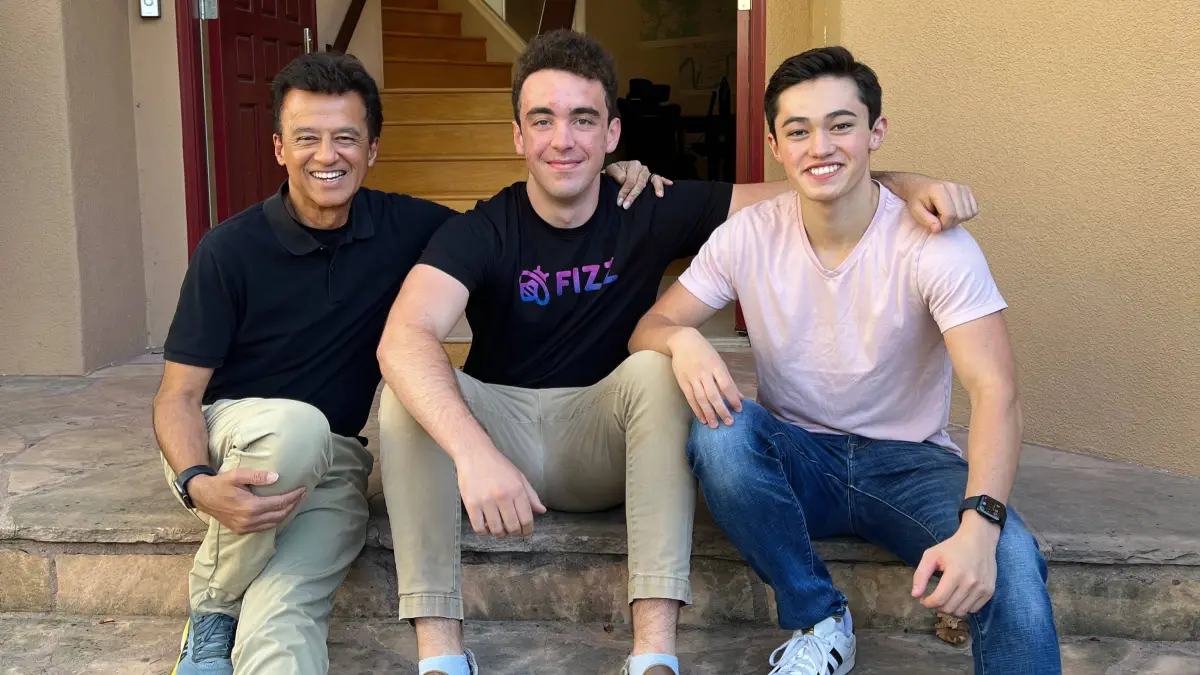
In a recent TechCrunch podcast, Teddy Solomon, CEO of Fizz, shared insights into why anonymous social platforms are resonating deeply with Gen Z users.
Solomon emphasized that young users are increasingly tired of the curated perfection demanded by mainstream platforms like Instagram and TikTok, seeking instead spaces for raw, unfiltered expression.
The Rise of Anonymous Social Platforms
Fizz, a social app initially popular among college students, has tapped into this desire by offering a space where users can share thoughts anonymously without the pressure of personal branding.
This trend isn’t entirely new; platforms like Yik Yak gained traction a decade ago by prioritizing anonymity, though many struggled with issues like toxicity and moderation.
Gen Z’s Shift Away from Performative Social Media
Unlike older generations, Gen Z has grown up in a hyper-connected digital world, making them more aware of the mental health toll caused by constant online performance.
Solomon noted that Fizz provides an outlet for the 99% of experiences that don’t fit into polished social media highlights, allowing users to discuss everything from mundane struggles to campus gossip.
The app’s success, particularly among students at institutions like Stanford, highlights a broader cultural shift toward valuing authenticity over likes and followers.
Challenges and Impact on Digital Culture
However, anonymous platforms face significant challenges, including the risk of cyberbullying and harmful content, which Solomon acknowledged as a priority for Fizz’s moderation team.
Beyond individual user experiences, the rise of apps like Fizz could reshape social media dynamics, pushing larger platforms to rethink how they balance authenticity with engagement-driven algorithms.
Historically, social media has evolved from the open forums of the early 2000s to the image-heavy, influencer-dominated spaces of today, and Fizz represents a potential counter-movement.
The Future of Fizz and Anonymous Networking
Looking ahead, Solomon envisions Fizz expanding beyond college campuses, potentially becoming a mainstream alternative for Gen Z and even younger generations who crave genuine connection.
As the digital landscape continues to evolve, the success of Fizz may signal a lasting pivot toward platforms that prioritize user privacy and unfiltered dialogue over performative content.