Firestorm Labs Raises $82M to Deploy Mobile Drone Factories Revolutionizing Frontline Defense Manufacturing

Firestorm Labs, a San Diego-based defense startup, has secured $82 million in Series B funding to advance its portable drone production technology.
The funding will accelerate deployment of the company's innovative xCell platform, which enables rapid 3D printing of drone systems directly in the field using shipping container-based factories.
From Drone Innovator to Manufacturing Pioneer
Originally focused on building drones, Firestorm Labs pivoted to containerized manufacturing after customer demands for on-site production near combat zones.
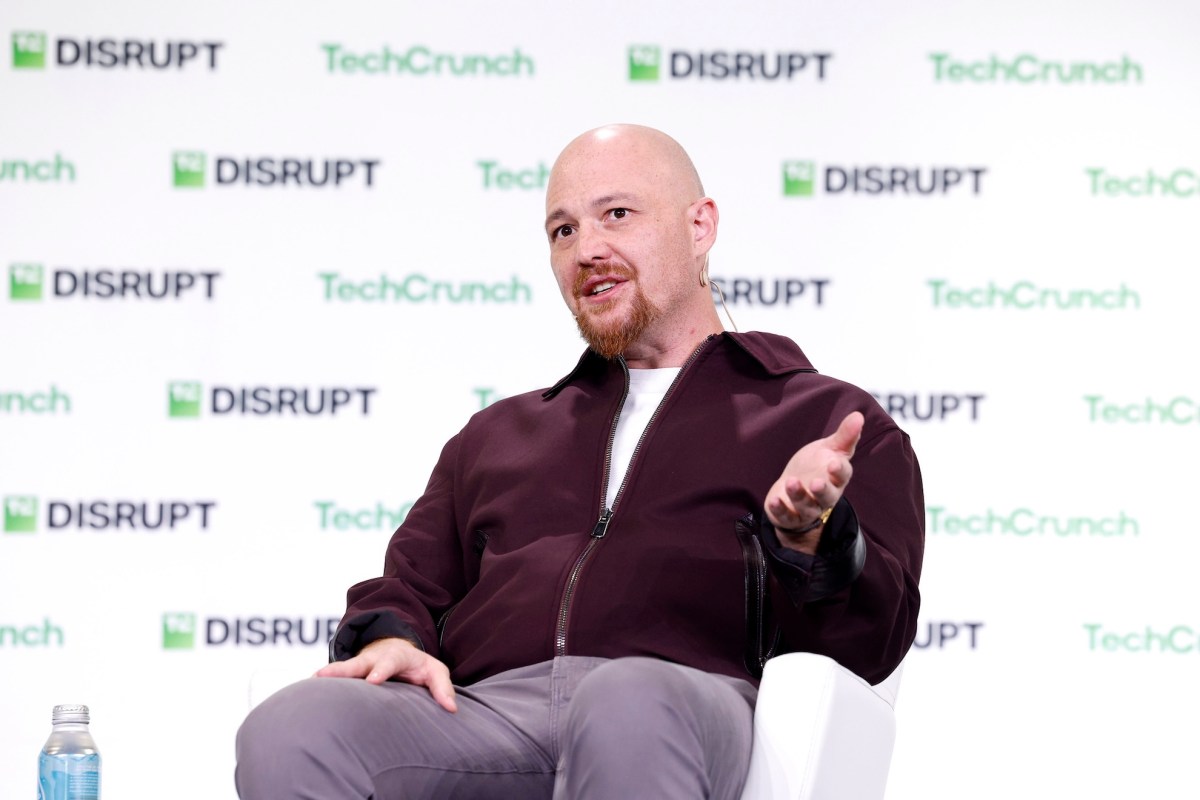
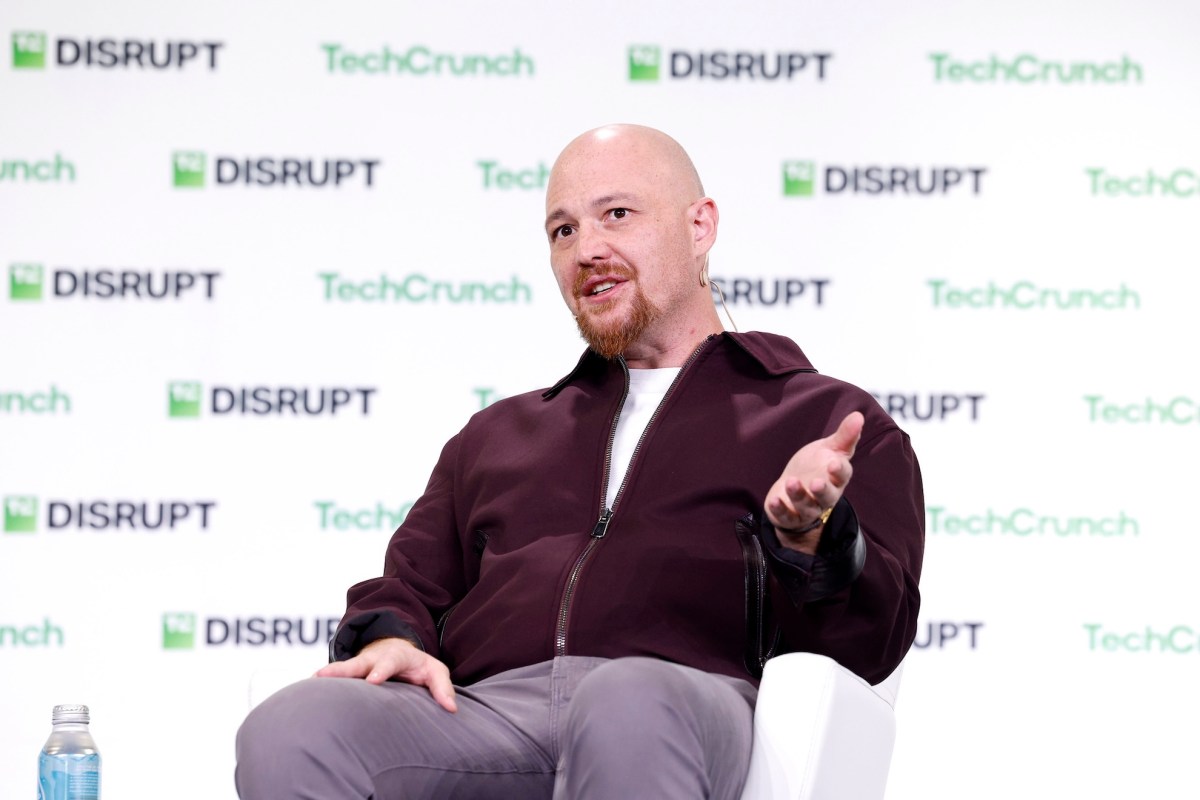
CEO Dan Magy, a serial defense tech entrepreneur, leads the team alongside co-founder Chad McCoy, a special operations veteran, and CTO Ian Muceus, holder of over a dozen 3D printing patents.
Under a five-year global exclusive deal with HP, xCell units utilize industrial-grade 3D printers to produce drone bodies and shells in under 24 hours.
Current Deployments and Military Impact
Two xCell units are already operational domestically—one with the Air Force Research Laboratory in New York and another with Air Force Special Operations Command in Florida.
The platform is also active in the Indo-Pacific region, supporting contested logistics critical to U.S. military strategy amid vulnerabilities exposed in conflicts like Ukraine.
Firestorm Labs generates revenue through hardware sales and government contracts, including a $100 million Air Force deal with $27 million already obligated.
The new funding, led by Washington Harbour Partners with participation from NEA, In-Q-Tel, Lockheed Martin, and others, brings total investment to $153 million.
Future Vision and Strategic Edge
Drones produced by xCell can be configured for surveillance, electronic warfare, or lethal missions, with weapons added separately for mission flexibility.
CEO Magy emphasized the platform's potential: "They are capable of lethal operations depending on mission requirements," highlighting rapid adaptability in modern warfare.
Looking ahead, Firestorm Labs aims for full operational deployment across the Indo-Pacific within two years, addressing Pentagon priorities for resilient supply chains.
This breakthrough promises to transform military logistics by enabling on-demand printing of drones and even replacement parts for vehicles like the Bradley Fighting Vehicle.