Fintech Startup Parker Files for Bankruptcy After $200M Funding and $65M Revenue Claim
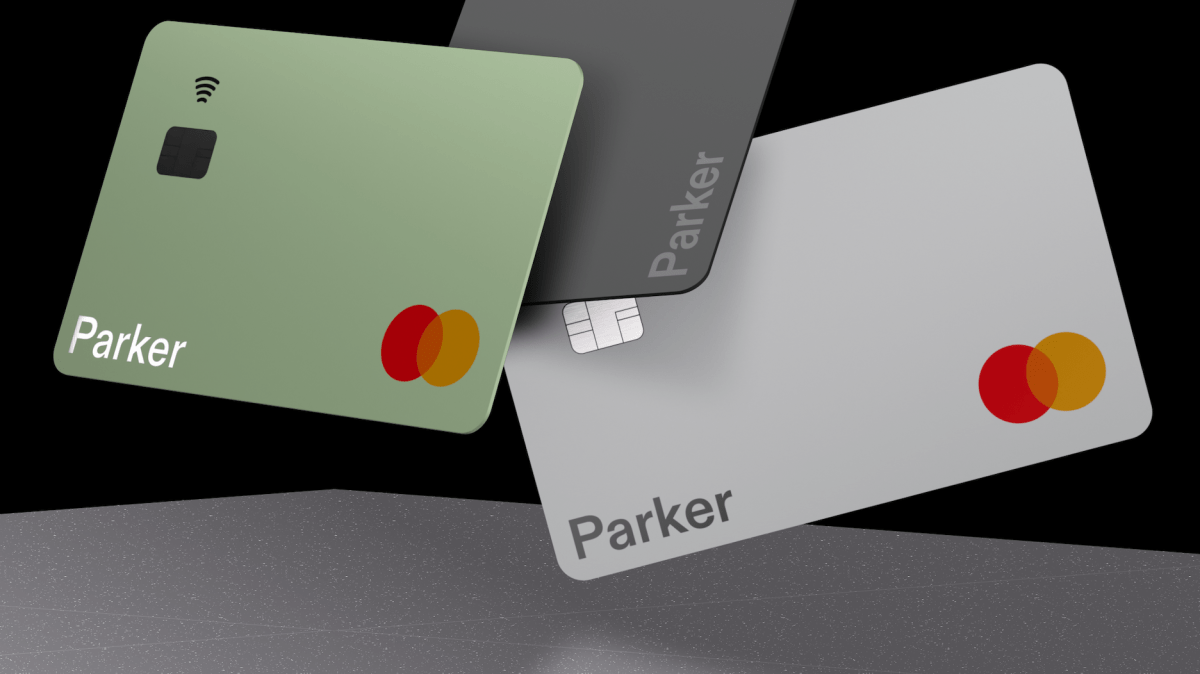
Parker, a promising fintech targeting e-commerce businesses, filed for Chapter 7 bankruptcy on May 7, 2026, marking the end of its operations.
The abrupt shutdown leaves small business owners scrambling for alternative banking and credit solutions after relying on Parker's specialized corporate cards.
Parker’s Rapid Rise and Fall
Launched from Y Combinator's winter 2019 cohort, Parker emerged from stealth in 2023 offering underwriting based on e-commerce cash flows through partners like Piermont and Patriot Bank.
The company secured over $200 million in funding, including a Series A from Valar Ventures and a $125 million lending facility, fueling ambitious growth.
CEO Yacine Sibous boasted of reaching $65 million in revenue, yet the firm listed assets and liabilities between $50 million and $100 million with 100 to 199 creditors.
Why Parker Failed: Lessons from the CEO
Sibous reflected on pitfalls like over-hiring and reactive decisions, highlighting common traps in high-burn fintech startups amid economic headwinds.
Failed acquisition talks reportedly sealed the fate, underscoring how even well-funded ventures struggle without timely exits in a cooling venture market.
This collapse echoes broader fintech woes, where post-2022 interest rate hikes squeezed revenue-based lending models dependent on volatile online sales.
Impact on E-Commerce Merchants
E-commerce founders, Parker's core users, now face disrupted payments and credit access, prompting competitors to aggressively poach customers.
For everyday small business owners, this serves as a stark reminder of risks in fintech dependency—sudden platform failures can halt operations overnight.
Looking ahead, the incident may push regulators toward better consumer protections for SMB fintech users and encourage diversified banking strategies.
Industry watchers predict a consolidation wave, where survivors like established players absorb Parker's niche, reshaping e-commerce finance.