Dutch Fintech Giant Bunq Reapplies for US Bank Charter Amid Global Expansion Push
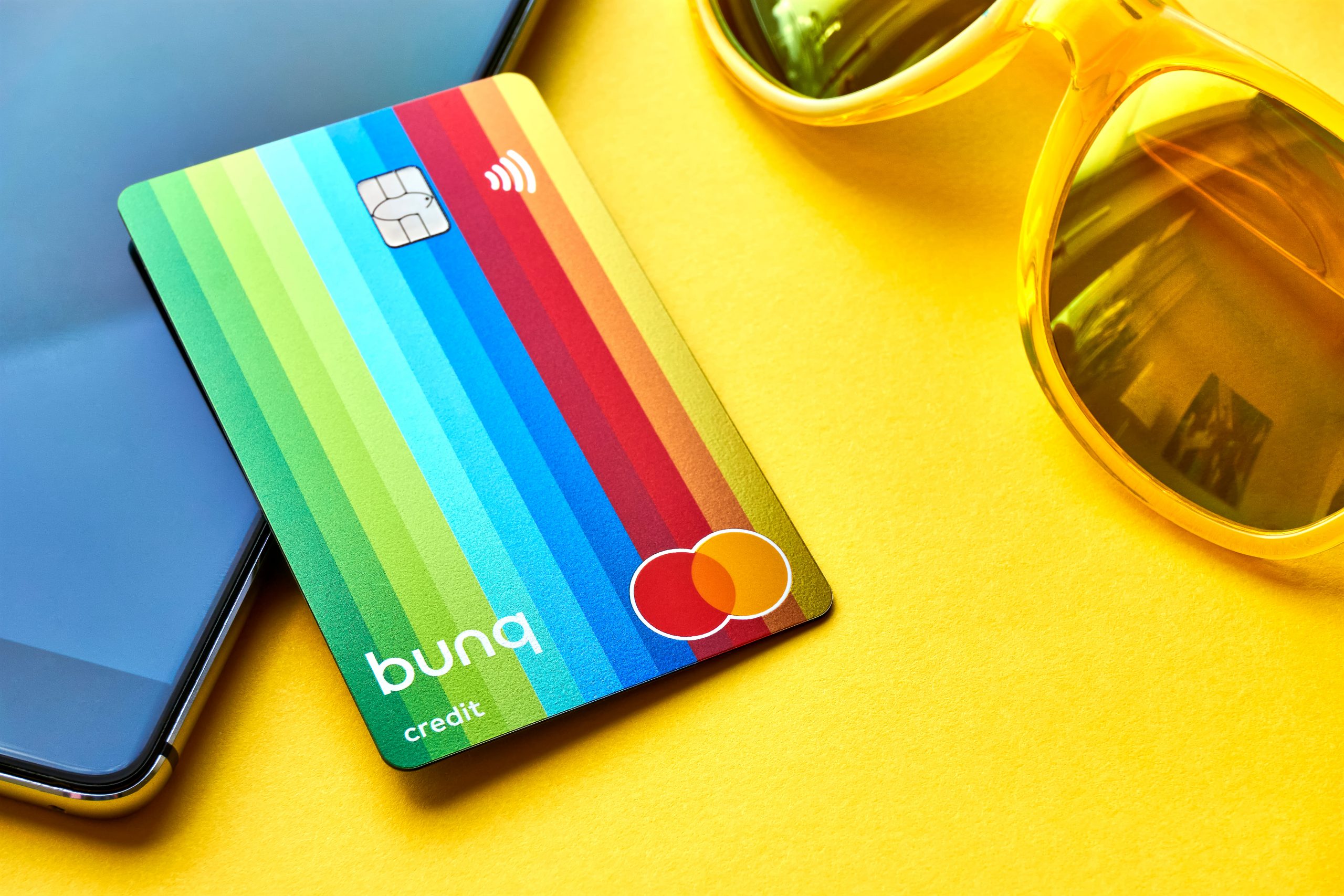
Dutch fintech firm Bunq has officially reapplied for a US bank charter, marking a significant step in its ambitious international expansion strategy.
This move comes two years after the company withdrew its initial application under the administration of former President Joe Biden, citing regulatory challenges.
Bunq's Strategic Return to the US Market
The neobank, often dubbed 'WhatsApp for Banking', is seizing the moment amidst a wave of deregulation reforms in the US financial sector.
Founded in 2012 by Ali Niknam in Amsterdam, Bunq has grown to become Europe’s second-largest neobank, offering mobile banking services across 30 European countries.
A History of Innovation and Regulatory Milestones
The company first secured a European banking license in 2014 from De Nederlandsche Bank, positioning itself as a pioneer with a technology-first approach.
Bunq’s recent achievements include obtaining a US broker-dealer license in 2025, allowing it to offer securities trading as part of its broader service portfolio.
Impact on the US Fintech Landscape
If approved, the bank charter would enable Bunq to offer a full suite of banking services in the US, potentially disrupting traditional financial institutions with its user-centric app.
This development could intensify competition among fintechs, as other European neobanks and global players eye the lucrative American market.
Looking Ahead: Challenges and Opportunities
However, navigating the US regulatory environment remains a significant hurdle, even with a more favorable political climate for fintech innovation.
Bunq’s success could set a precedent for other international fintechs, signaling a shift towards a more globalized banking ecosystem.
In the future, Bunq aims to leverage its tech-driven model to attract American consumers seeking alternatives to conventional banking.
As the fintech sector watches closely, Bunq’s journey in the US could redefine how digital banks operate on a global scale.