Chinese AI Chipmaker Biren Targets $624M in Hong Kong IPO to Fuel Tech Ambitions
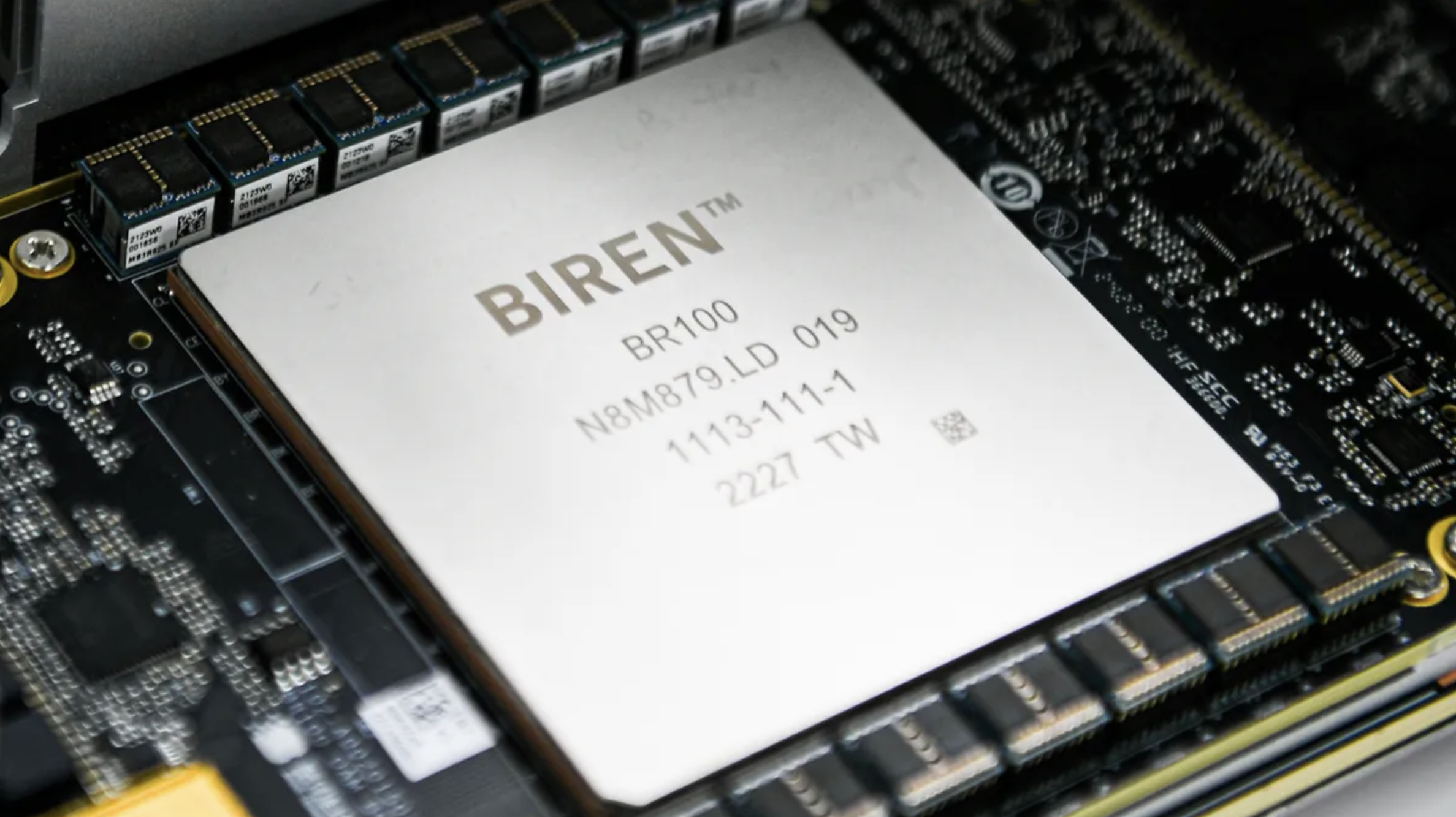
Chinese AI chipmaker Biren Technology has launched an ambitious plan to raise $624 million through an Initial Public Offering (IPO) on the Hong Kong Stock Exchange, marking a significant step for the company and China's semiconductor industry.
The Shanghai-based firm, a key player in China's push for technological self-reliance, is set to become one of the first domestic GPU-focused companies to list in Hong Kong, with the IPO bookbuilding already underway for a listing on January 2, 2026.
Biren's Strategic Move Amid Global Chip Race
This IPO comes at a critical time as China intensifies efforts to develop homegrown alternatives to U.S.-dominated semiconductor technologies amid ongoing trade tensions.
Biren, founded in 2019, has positioned itself as a leader in AI chip development, focusing on high-performance GPUs that rival those of global giants like NVIDIA, despite facing significant challenges such as U.S. export curbs on advanced chip technologies.
The company is offering 247.7 million shares at a price range of HK$17 to HK$19.60 each, reflecting strong investor interest in China's burgeoning AI sector, as reported by industry sources.
Impact on China's Tech Ecosystem
The funds raised are expected to accelerate Biren's research and development, enabling the firm to scale production and compete more aggressively in the global AI market.
Historically, Biren has faced financial hurdles, reporting losses of over $890 million in recent years due to high R&D costs and limited access to cutting-edge manufacturing technologies, underscoring the capital-intensive nature of the industry.
Looking ahead, a successful IPO could pave the way for other Chinese AI and chip firms to tap into Hong Kong's capital markets, further strengthening the region's position as a hub for tech listings.
Broader Implications for Investors and Industry
For investors, Biren's listing offers a rare opportunity to invest in a sector poised for explosive growth, driven by AI applications in everything from autonomous vehicles to data centers.
However, risks remain, including geopolitical uncertainties and the company's ability to navigate a competitive landscape dominated by established players with deeper pockets.
As China continues to prioritize technological independence, Biren's journey could serve as a litmus test for the viability of domestic AI chipmakers in achieving both innovation and profitability on a global stage.