
China Fast-Tracks IPOs for Reusable Rocket Companies to Boost Space Ambitions
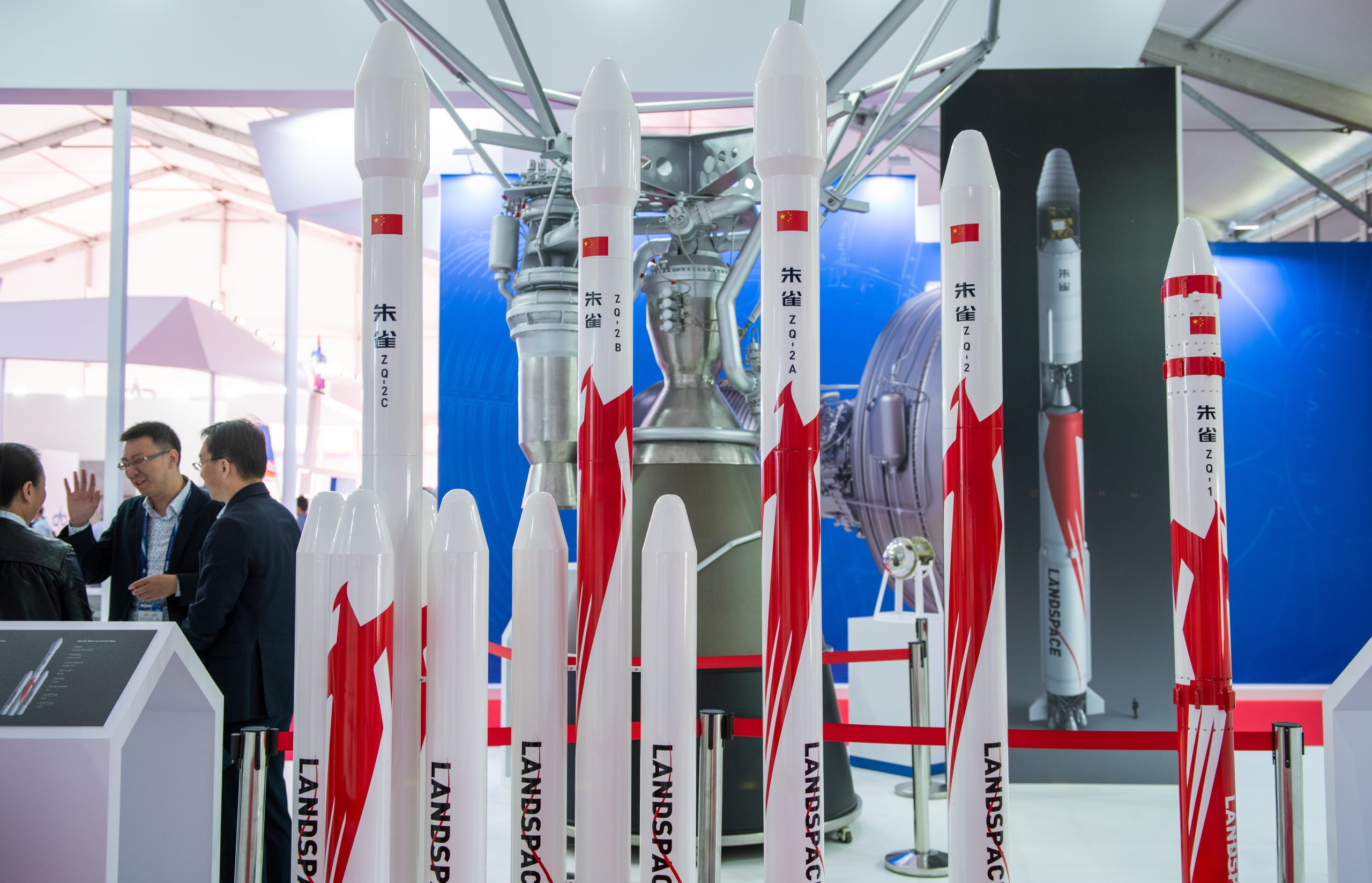
China has recently announced a significant policy shift, easing Initial Public Offering (IPO) rules for companies developing reusable commercial rockets, as reported by the Shanghai Stock Exchange.
This move aims to accelerate growth in the country's space industry by providing a fast lane for listings on the tech-focused STAR market, exempting these firms from stringent financial requirements.
Why China is Prioritizing Reusable Rocket Technology
The decision reflects Beijing's urgency to close the technological gap with global leaders like the United States, where companies such as SpaceX dominate with reusable rocket capabilities.
Reusable rockets, which can return and be relaunched after missions, drastically reduce costs and increase launch frequency, a critical advantage in the competitive space race.
Historical Context of China’s Space Program
China’s space ambitions have grown rapidly over the past two decades, marked by milestones like the Chang’e lunar missions and the construction of the Tiangong space station.
However, the country has lagged in reusable rocket technology, an area where SpaceX’s Falcon 9 has set the benchmark with regular recoveries and relaunches.
Impact on China’s Commercial Space Sector
By relaxing IPO rules, China is enabling emerging firms to access public capital earlier, even before achieving profitability, which could spur innovation and competition.
This policy is expected to benefit companies like LandSpace, a Beijing-based firm aiming to complete rocket recovery by mid-2026, positioning itself as a potential rival to SpaceX.
Global Implications and Future Outlook
The global space industry could see intensified competition as China ramps up investment and support for its commercial rocket sector.
Looking ahead, analysts predict that China’s focus on reusable technology could reshape satellite deployment, space tourism, and even interplanetary missions in the coming decades.
For now, this policy marks a strategic pivot towards self-reliance in space tech, reducing dependence on foreign advancements.
As China continues to prioritize 'hard technology' investments, the world watches whether this bold step will launch its space industry to new heights.