iRobot's Downfall: Colin Angle Blames FTC for Blocking Amazon Deal and Triggering Bankruptcy

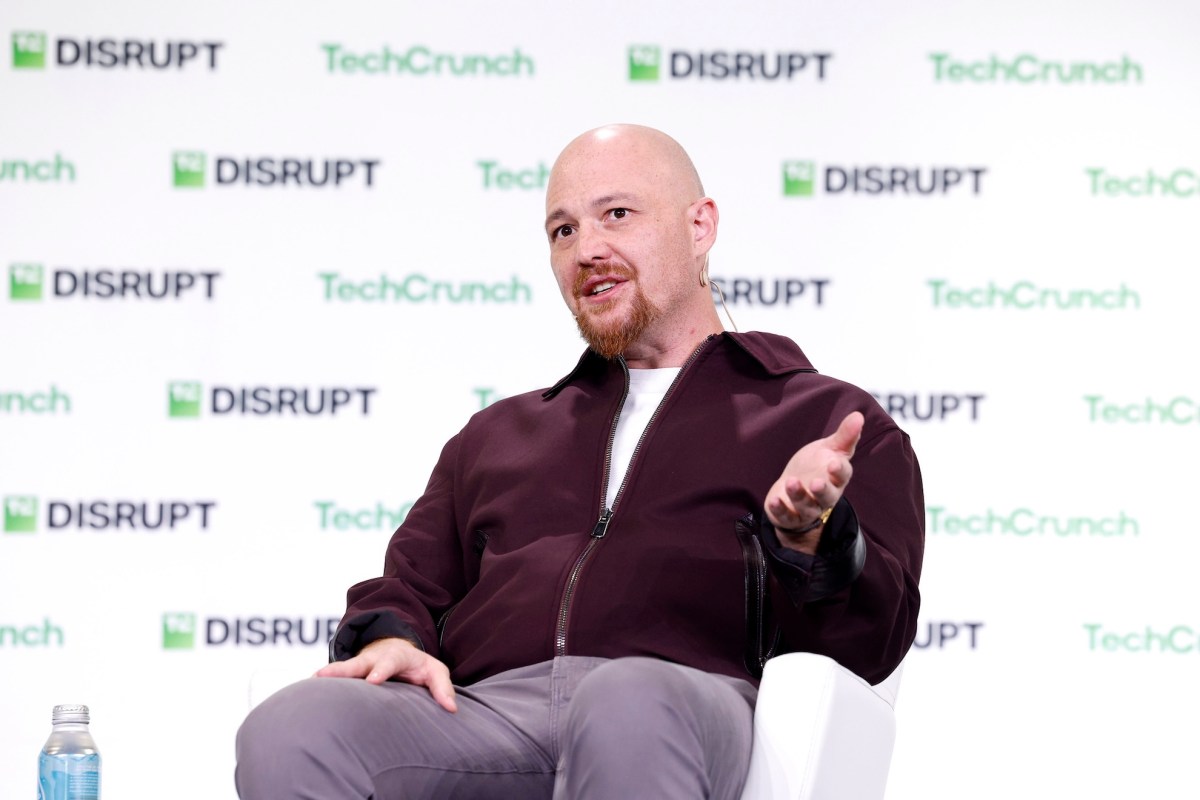
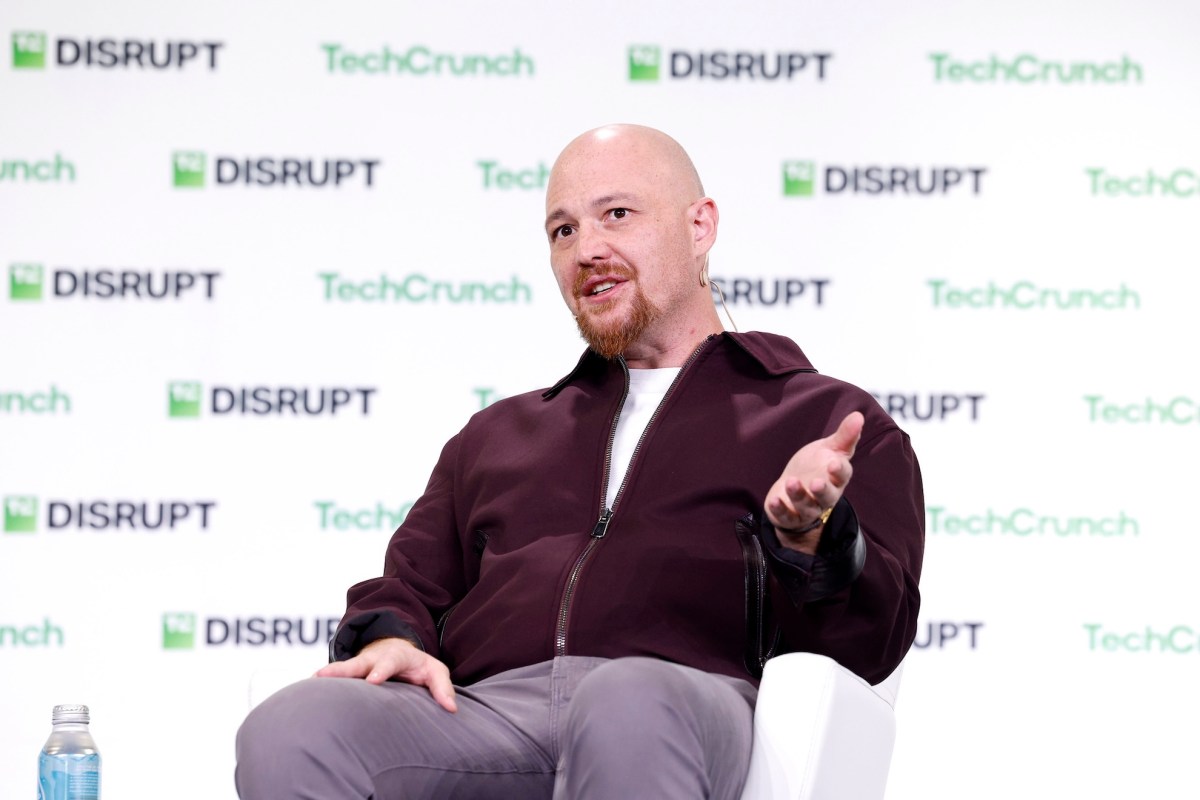
In a revealing podcast interview on TechCrunch's StrictlyVC Download, Colin Angle, the founder and former CEO of iRobot, shared his perspective on the collapse of his pioneering robotics company.
Angle, who transformed iRobot into a household name with the iconic Roomba vacuum, pointed to an 18-month regulatory battle with the Federal Trade Commission (FTC) as the catalyst for the company’s recent Chapter 11 bankruptcy filing.
The Failed Amazon Acquisition: A Turning Point
The proposed $1.7 billion acquisition by Amazon in 2022, which could have secured iRobot’s future, was ultimately blocked by the FTC on antitrust grounds.
Angle described the regulatory scrutiny as “avoidable” and accused the FTC of treating blocked deals as trophies, disregarding the potential benefits of the merger for innovation and competition in the robotics sector.
A Storied History of Innovation
Founded over 35 years ago, iRobot grew from a small startup in Angle’s living room to a global leader, selling over 50 million robots and revolutionizing home automation.
This legacy, however, couldn’t withstand the financial strain following the failed deal, leading to Angle stepping down as CEO and the company’s eventual bankruptcy earlier this month.
Broader Impacts on American Entrepreneurship
Beyond iRobot, Angle warned that the FTC’s approach could stifle American entrepreneurship, discouraging startups from pursuing innovative mergers due to fear of regulatory overreach.
The fallout also raises questions about the balance between antitrust enforcement and fostering technological advancement in a competitive global market.
Future Challenges and the Rise of Competitors
With iRobot now set to be acquired by a Chinese manufacturer, Angle highlighted the growing threat of Chinese fast followers in the robotics industry, who can replicate and undercut innovations at a rapid pace.
This shift could signal a loss of U.S. leadership in robotics, a field iRobot once dominated, unless regulatory frameworks adapt to support domestic companies.
Looking ahead, the story of iRobot serves as a cautionary tale for hardware startups navigating the dual challenges of innovation and regulatory landscapes.
As Angle reflects on what could have been, the future of American robotics hangs in a delicate balance, awaiting lessons from this high-profile downfall.