
Revolutionizing Aquaculture: Rapid Lab-Grade Diagnostics at Pond-Side Transform Fish Farming
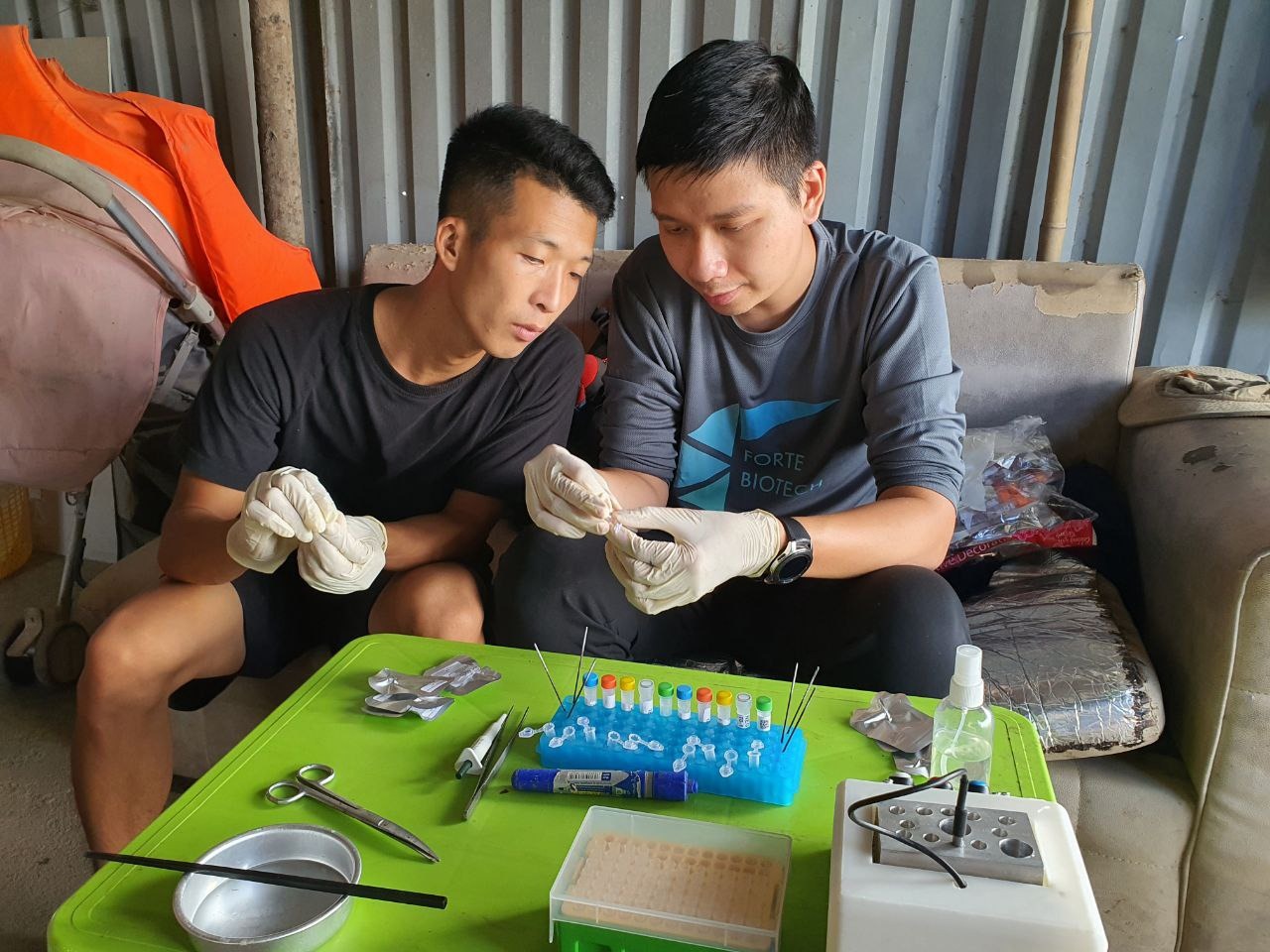
A groundbreaking innovation in aquaculture diagnostics is changing the game for fish farmers worldwide, bringing rapid, lab-grade testing directly to the pond-side.
This technology, highlighted in a recent Tech in Asia report, allows farmers to detect diseases and water quality issues in real-time, ensuring healthier fish stocks and improved yields.
Watching his uncle lose months of shrimp farming to a single outbreak, Kit Yong knew something had to change. Alongside Michael Quang Minh, he realized farmers across Vietnam faced the same problem: lab tests always came back too late. Together, they founded Forte Biotech to put rapid disease testing directly at the pond, giving farmers a fighting chance before disaster strikes.
The Evolution of Aquaculture Diagnostics
In the past, fish farmers relied on slow and often inaccessible laboratory testing, which delayed critical interventions and led to significant losses.
With the introduction of portable diagnostic tools, farmers can now receive instant results on-site, a development that marks a major leap forward in the industry.
Impact on Fish Farming Communities
This innovation is particularly transformative for small-scale farmers in developing regions, where access to traditional labs is limited and financial margins are tight.
By reducing the time and cost of testing, these tools empower farmers to make swift decisions, preventing outbreaks that could devastate entire ponds.
Historical Challenges in Aquaculture
Historically, aquaculture has faced numerous challenges, including disease outbreaks like bacterial infections and viral pathogens that spread rapidly in confined water systems.
The inability to diagnose issues quickly has often resulted in catastrophic losses, pushing many farmers out of business and threatening global food security.
Looking to the Future of Pond-Side Tech
Looking ahead, experts predict that pond-side diagnostics will integrate with IoT and AI, providing predictive analytics to anticipate problems before they arise.
This could herald a new era of sustainable aquaculture, minimizing environmental impact while maximizing productivity.
As companies continue to innovate, the adoption of such technologies is expected to grow, potentially becoming a standard practice in fish farming worldwide.
For now, this revolutionary tool is already making waves, offering hope and resilience to an industry long plagued by uncertainty.