Argentinian Fintech Startup Tapi Raises $27M in Series B to Revolutionize Latin American Payments
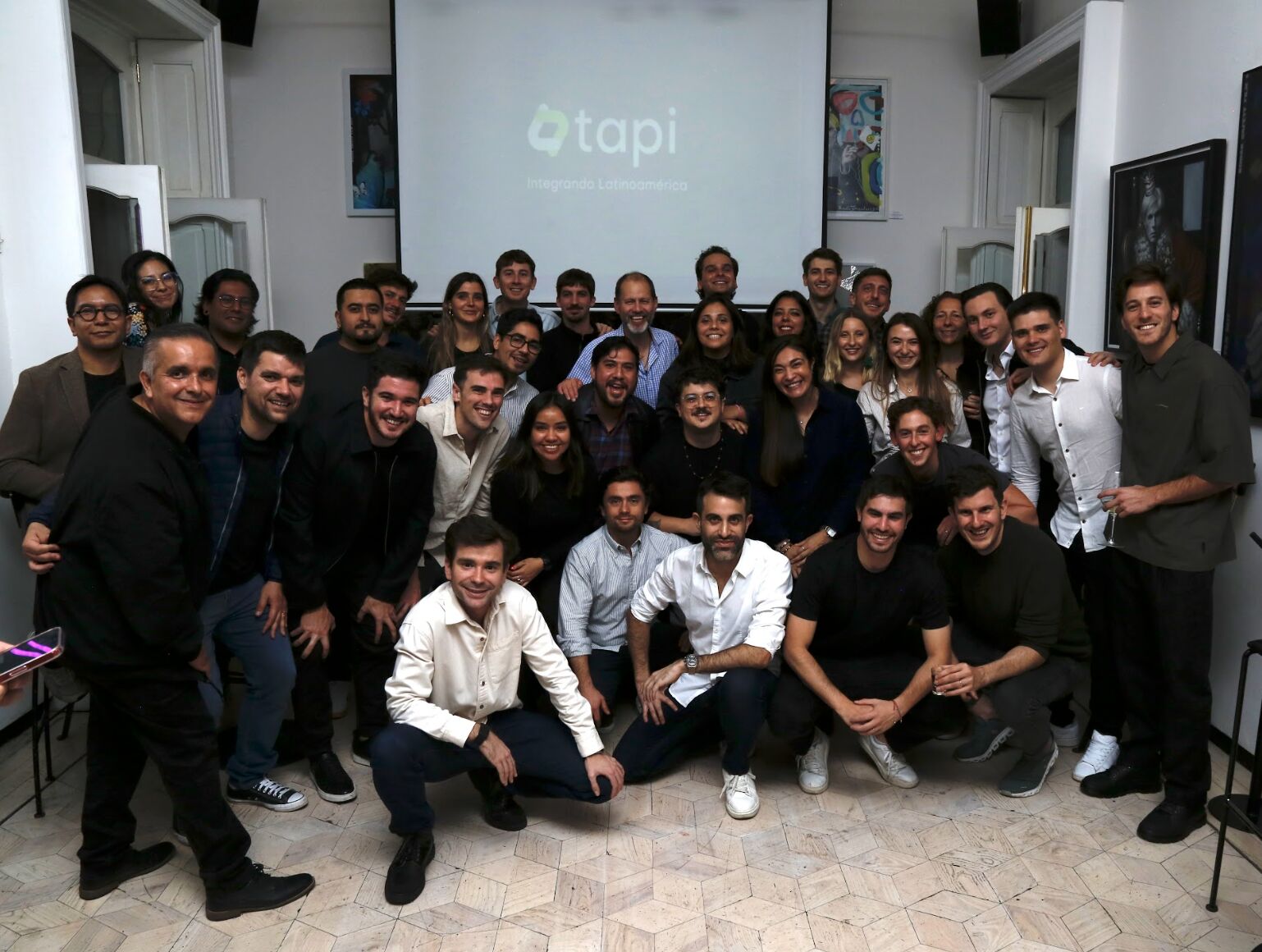
Tapi, an Argentinian fintech startup specializing in payment infrastructure, has successfully raised $27 million in its Series B funding round.
This investment round was led by prominent venture capital firms, signaling strong confidence in Tapi's innovative approach to streamlining financial transactions across Latin America.
Background and History of Tapi
Founded in 2019, Tapi emerged amid Argentina's economic challenges, aiming to provide seamless payment solutions for businesses and consumers in a region plagued by fragmented financial systems.
The company has grown rapidly, partnering with major merchants and expanding its services to include API-driven payment gateways that integrate easily with existing platforms.
Details of the Series B Funding
The $27 million funding will primarily fuel Tapi's expansion into new markets within Latin America, including Brazil and Mexico, where demand for efficient fintech solutions is surging.
Investors such as Tech in Asia reported that this round brings Tapi's total funding to over $50 million, highlighting its trajectory from a local startup to a regional player.
Impact on the Fintech Landscape
By addressing pain points like high transaction fees and slow processing times, Tapi's platform is poised to empower small and medium-sized enterprises (SMEs) in underserved areas, fostering economic inclusion.
Analysts predict that this infusion of capital could accelerate digital adoption in Argentina's economy, which has been grappling with inflation and currency volatility.
Future Prospects and Strategic Plans
Looking ahead, Tapi plans to invest in advanced technologies like blockchain and AI to enhance security and personalization in payment processing.
With this funding, the startup aims to double its workforce and launch new products tailored for cross-border transactions, potentially disrupting traditional banking models in the region.
Industry experts believe Tapi's success could inspire a wave of fintech innovation in Latin America, attracting more international investment to the sector.