Anthropic's Head of Growth Reveals Why Avoiding Big Tech's Spending Spree Fuels AI Innovation and Success
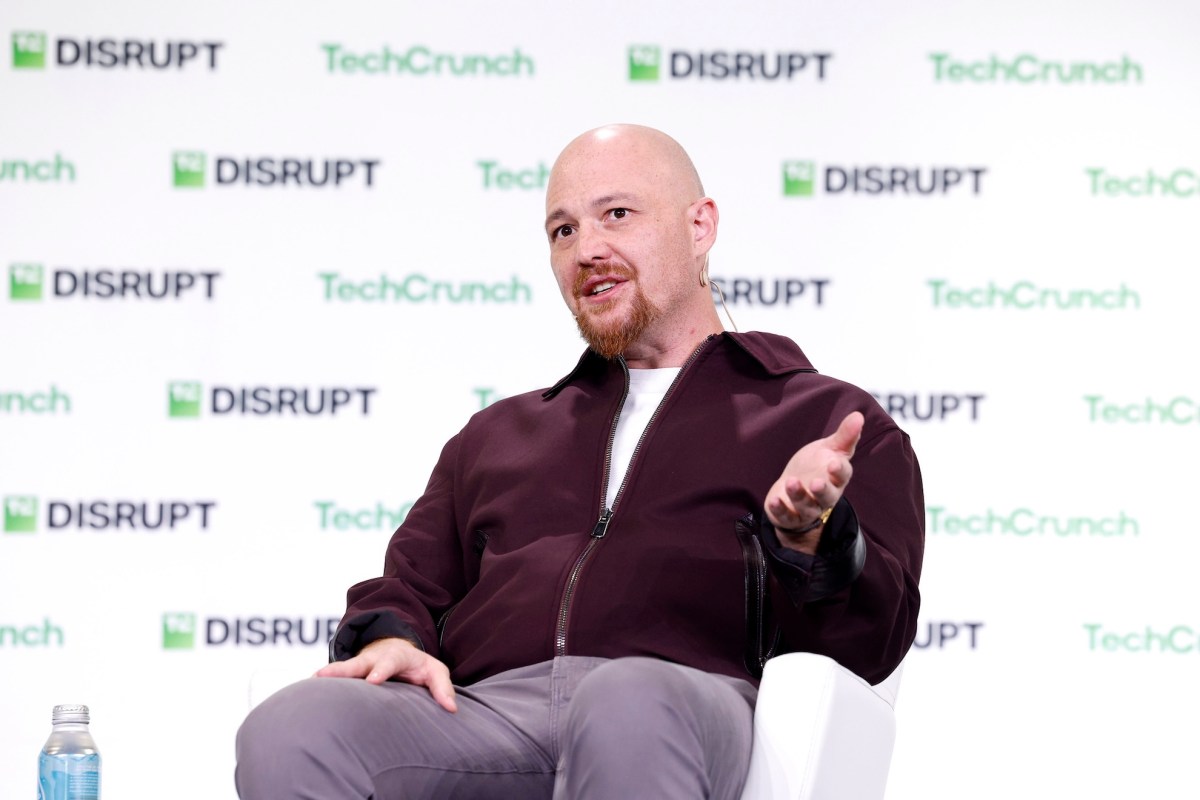
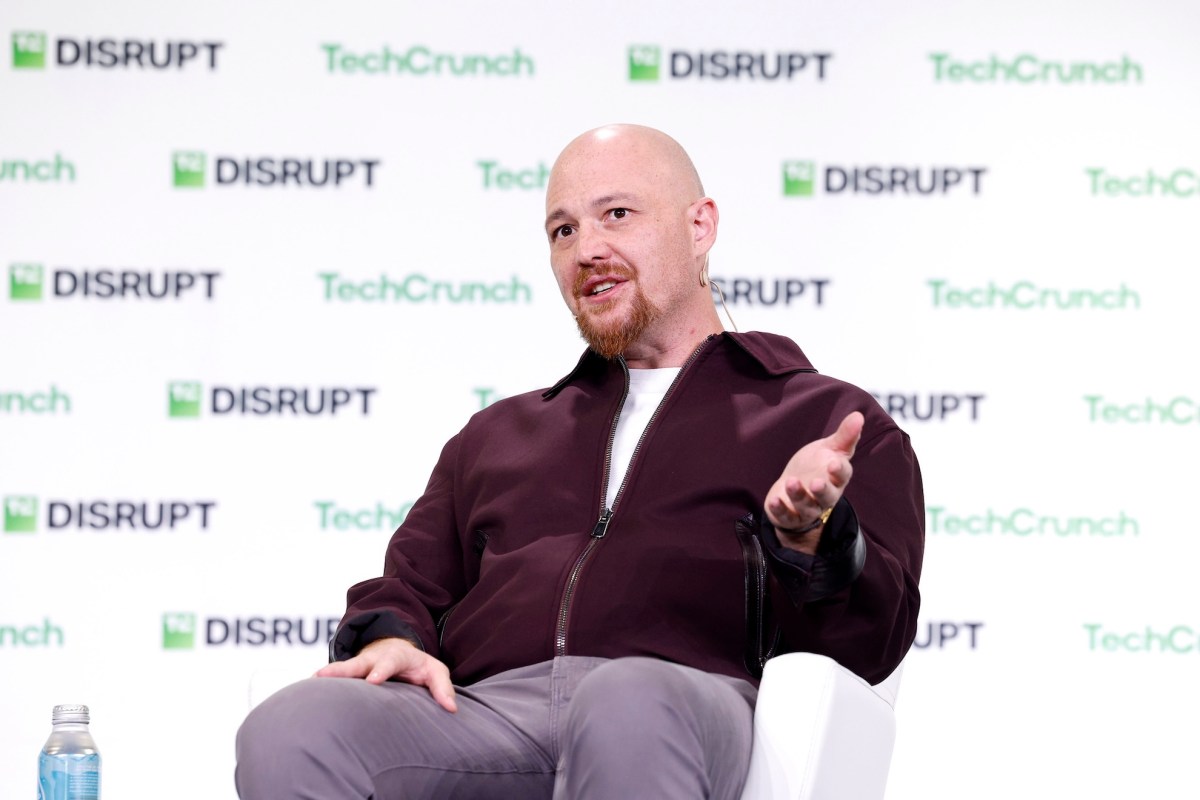
Amol Avasare, Anthropic's head of growth, argues in a recent Tech in Asia interview that startups should avoid chasing the enormous financial firepower of Big Tech giants.
He warns that attempting to match the spending of richer competitors like Google and Amazon often leads to failure for resource-constrained AI startups.
Anthropic's Lean Strategy Pays Off
Limited funding forced Anthropic to prioritize building internal tools, accelerating research and product development cycles dramatically.
Founded in 2021 by former OpenAI executives including CEO Dario Amodei, Anthropic emphasized AI safety and reliability from the start amid growing concerns over unchecked model scaling.
The company's Claude AI models quickly gained traction in enterprise settings, where businesses value accuracy, trustworthiness, and consistent performance over viral consumer features.
By focusing on enterprise clients rather than free consumer tools, Anthropic aligned incentives with reliability, avoiding the engagement traps that plague consumer AI products.
Historical Context and Industry Impact
This approach contrasts with OpenAI's pivot to consumer apps like ChatGPT, which sparked an arms race but raised sustainability questions amid massive compute costs.
Anthropic has secured billions in funding from Amazon and Google, yet maintains disciplined growth, reportedly eyeing profitability by 2028.
The strategy has propelled Claude to become one of the fastest-growing AI products, demonstrating efficiency trumps sheer scale in the competitive landscape.
Future Implications for AI Startups
Looking ahead, Avasare's insights suggest a blueprint for AI firms: innovate through constraints to build defensible moats in enterprise AI.
As the industry matures, Anthropic's model could inspire more safety-first, enterprise-oriented players, potentially reshaping Big Tech dominance.